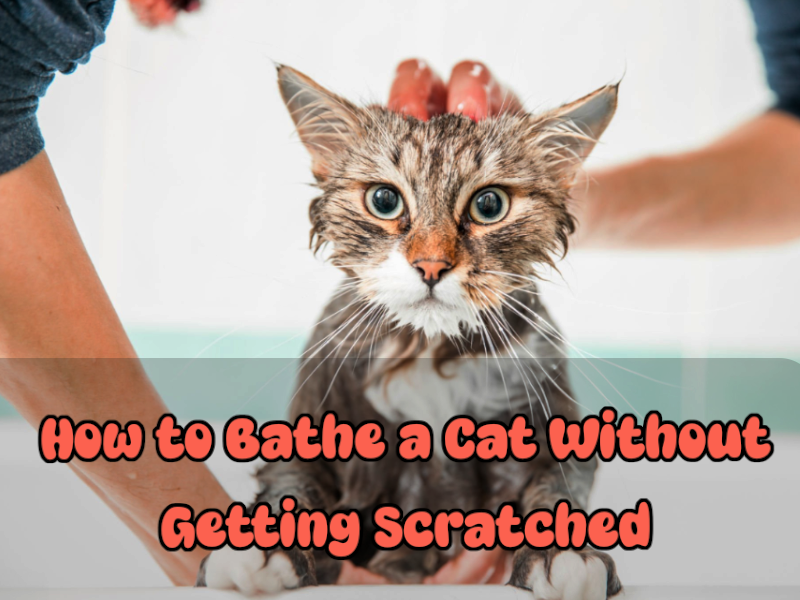
How to Bathe a Cat Without Getting
Bath time with a cat can feel like a battle. Even with the water prepared, shampoo ready, and your nerves steady, one splash is often enough to trigger scratches and chaos. Most cat owners searching for how to bathe a cat safely are not looking for a fight—they want effective strategies that protect both them and their feline friend.
The key lies in preparation, understanding feline behavior, and using safe techniques. This guide will teach you everything you need to know, from pre-bath preparation to alternatives when a full bath isn’t necessary.
Why Cats Scratch During Baths: Understanding Their Fear
Before learning how to bathe a cat without getting scratched, it’s essential to understand why cats react this way. Scratching is rarely about aggression—it’s about survival.
Common Triggers
- Loss of Control: Wet surfaces feel slippery and unsafe.
- Scent Disruption: Water removes the cat’s natural scent, causing stress.
- Loud Noises: Running water, splashes, or echoes can be frightening.
- Restraint Sensitivity: Feeling trapped triggers their flight or fight instinct.
When Does Your Cat Actually Need a Bath?
Contrary to popular belief, most cats rarely require a full bath. They are naturally meticulous groomers. However, certain situations make a bath necessary:
- Medical Needs: Medicated shampoos for skin conditions, allergies, or fleas.
- Toxins or Messes: Oil, paint, sticky substances, or mud.
- Mobility Challenges: Older or overweight cats may struggle to groom themselves.
- Hairless or Long-Haired Breeds: Sphynx or long-haired cats often need baths to prevent matting and manage oils.
If your cat doesn’t fall into these categories, consider alternatives like grooming wipes or waterless shampoo first.
Preparation: The Key to a Scratch-Free Cat Bath
Trim Their Nails First
Trim nails 24 hours before the bath. This reduces the severity of scratches and gives your cat time to calm down. If you’re uncomfortable trimming nails, have a vet or professional groomer do it ahead of time.
Gather All Supplies Beforehand
Everything should be within reach:
- Cat-specific shampoo
- Large cup or gentle sprayer
- 2–3 absorbent towels
- Rubber mat or towel for non-slip surface
- Washcloth for the face
- High-value treats
- Optional: calming pheromone spray (Feliway) or silicone grooming gloves
Create a Non-Slip Surface
Place a rubber mat or folded towel at the bottom of the sink or tub. Cats feel safer and scratch less when they have stable footing.
Step-by-Step: How to Bathe a Cat Without Getting Scratched
Step 1 – Fill the Tub Beforehand
Do not run the water while your cat is in the room. Fill a few inches of lukewarm water (around 38°C / 100°F) before introducing your cat.
Step 2 – Introduce Your Cat Slowly
Carry your cat gently, allow them to explore the bathroom, and speak softly. Let them sniff the water before lowering them in. Support their chest and hindquarters, avoiding sudden movements.
Step 3 – Use Gentle Restraint
Place one hand under the front legs or chest, keeping a calm but firm grip. Avoid scruffing unless you’ve been trained. If possible, have a second person assist.
Step 4 – Wet and Shampoo Strategically
Pour water slowly from shoulders to tail. Use cat-specific shampoo and lather gently, following fur direction. Pause if your cat resists and use treats to calm them.
Step 5 – Rinse Thoroughly
Residual shampoo can irritate the skin. Rinse until the water runs clear. Use lukewarm water and avoid the head.
Step 6 – Handle the Head Last
Use a damp washcloth for the face. Avoid pouring water on ears, eyes, or nose. Clean ears separately with vet-approved products.
Step 7 – Dry Carefully
Wrap your cat in a warm towel and pat dry. Use two towels if necessary. If your cat tolerates it, a hair dryer on low, cool setting can help, keeping a safe distance.
How to Calm a Nervous Cat Before Bath Time
- Use pheromone sprays 15 minutes prior.
- Bathe after play sessions when your cat is naturally tired.
- Stay calm yourself; cats sense your stress.
- Desensitization: Introduce the tub or sink with treats a week before the bath.
Alternatives to a Full Bath
Some cats are too stressed for water. Consider:
- Cat grooming wipes for spot-cleaning.
- Waterless shampoo: foam or spray that doesn’t require rinsing.
- Professional grooming: groomers have experience and tools to manage aggressive cats.
For more techniques on making your cat enjoy baths, check out our guide on how to get your cat to love bathing without scratches.
Common Mistakes to Avoid
- Using high-pressure sprayers
- Bathing too frequently
- Forcing a struggling cat
- Skipping nail trims
- Attempting a bath alone with a nervous cat
Safety Warnings
Stop immediately if your cat shows extreme aggression, panting, dilated pupils, or loss of bladder control. Consult your vet if a medicated or professional bath is required.
Internal Linking Suggestions
- How to Choose the Best Cat Shampoo for Sensitive Skin
- 5 Essential Tools for Stress-Free Cat Grooming at Home
Bathing a cat doesn’t have to be a nightmare. By preparing carefully, understanding feline behavior, using gentle techniques, and knowing alternatives, you can protect yourself and your cat. A safe bath can even become a bonding experience. Bookmark this guide or share it with fellow cat owners to make every bath stress-free and scratch-free.