Top 5 Myths About Cats You Should Stop Believing – The Truth Will Shock You
Do you believe that cats love milk? Do you think they always land on their feet? Do you think black cats bring bad luck? If you answered “yes” to any of these questions, then this article is essential for you.
There are many myths and misconceptions about cats that millions of people around the world believe. Some of these myths are harmless, but others can harm your cat’s health and safety.
In this article, I will expose the top five myths about cats that you should stop believing right now. Get ready to be shocked. Get ready to change your mind.
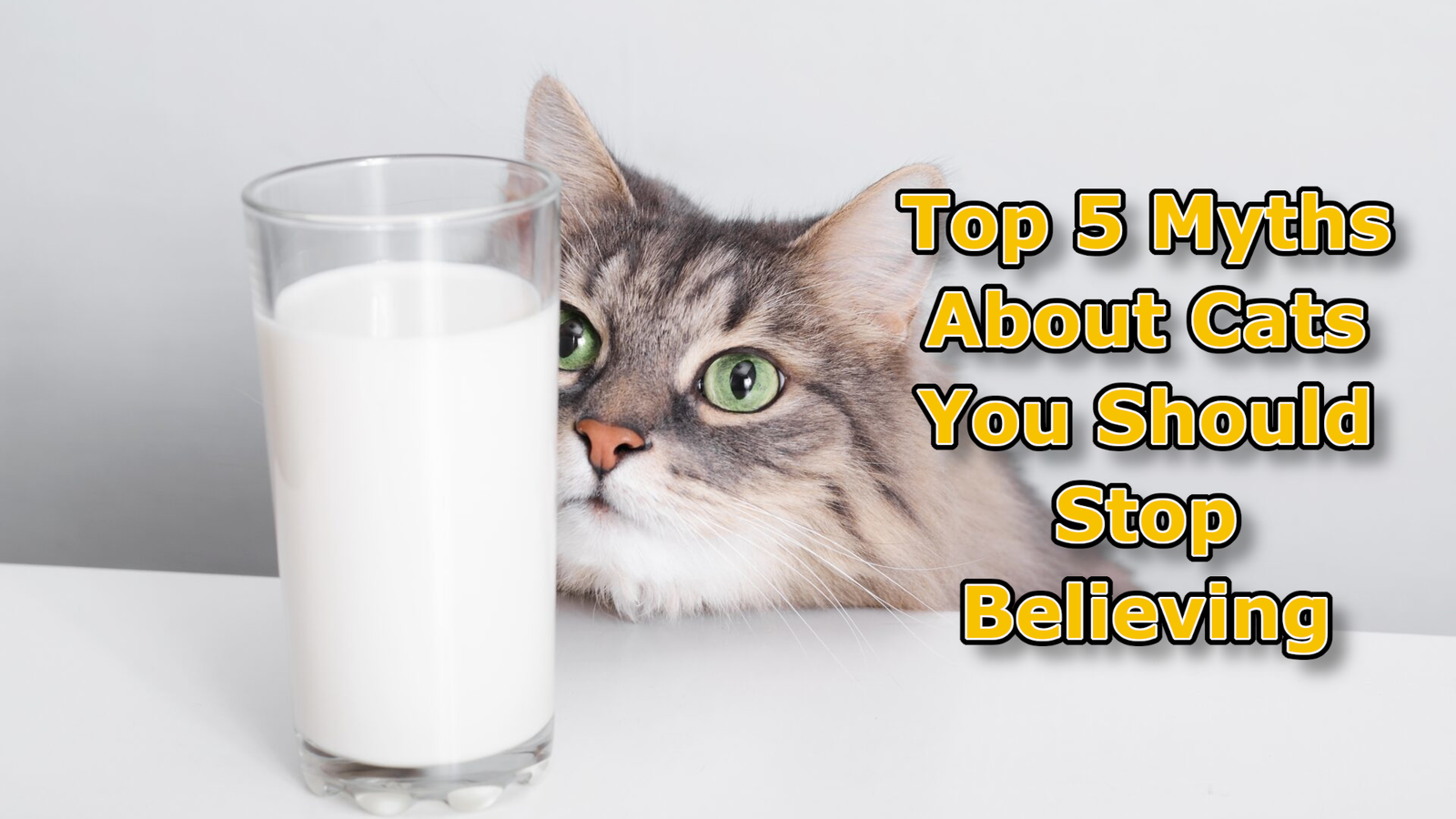
Myth One: Cats Love Milk and Drink It Greedily
This is the most widespread myth in the world. We have seen it in cartoons and comic strips: a happy cat eagerly drinking a bowl of milk. But the shocking truth is that most adult cats suffer from lactose intolerance.
Just like some humans, adult cats lack the enzyme needed to digest milk sugar. When a cat drinks milk, she may suffer from bloating, diarrhea, vomiting, and stomach pain. Milk is not a healthy drink for cats after weaning.
Clean, fresh water is the best drink for your cat, without exception. If you want to give your cat a special treat, you can buy special lactose-free cat milk from pet stores. But regular milk from your refrigerator? Stay far away from it.
Why This Myth Is Dangerous
Many cat owners unknowingly harm their cats by offering milk as a treat. The digestive distress caused by milk can lead to dehydration, especially in kittens or senior cats. Some cats may even develop chronic digestive issues if given milk regularly.
What to Give Instead of Milk
- Fresh, clean water – Hydrates without side effects
- Lactose-free cat milk – Safe treat in small amounts
- Wet cat food – Provides moisture and nutrition
- Bone broth (no salt, no onions) – Nutritious and hydrating
Myth Two: Cats Always Land on Their Feet
This myth is very common and gives cat parents a false sense of security. Yes, cats have an amazing ability to right their bodies in the air. They have what is called a “righting reflex.” This is true.
But this does not mean they always land on their feet, nor does it mean that falling is safe for them. Cats can suffer very serious injuries when falling from great heights. Bone fractures, jaw injuries, and internal tears.
There is a condition called “High-Rise Syndrome” that describes the injuries cats suffer when falling from tall buildings. Do not leave your windows open unattended. Do not think your cat is “immune” to falling. She is not immune. She is just more agile than some animals, but she remains vulnerable to injury. Learning stress-free handling techniques can help you keep your cat safe during grooming and daily care.
The Science Behind the Righting Reflex
The righting reflex begins to develop in kittens at around 3 to 4 weeks of age and is fully developed by 7 weeks. This reflex allows a cat to sense which way is up and twist their body mid-air to land on their feet. However, this reflex requires enough height to work. From very short distances, a cat may not have time to right themselves.
Why Falls Are Still Dangerous
- Broken bones, especially legs and jaws
- Collapsed lungs from impact
- Internal bleeding
- Head trauma
- Death
Even if your cat lands on her feet, the impact force travels through her legs and spine, causing injuries that may not be visible immediately. Always keep windows screened and balconies secured.
Myth Three: Black Cats Bring Bad Luck or Are Evil
This myth is old, unfair to cats, and very unfortunate. In the Middle Ages, black cats were associated with witchcraft and devils. Many people killed black cats out of superstition and ignorance.
This is not only unjust to cats, but it is also a reason why black cats stay in shelters longer than cats of other colors. The truth is that a cat’s fur color says nothing about her personality. A black cat can be affectionate, playful, loyal, and intelligent, just like any other cat. Adopting a stray cat changed my life – and black cats deserve that same chance at a loving home.
Positive Cultural Beliefs About Black Cats
- Japan: Black cats bring good luck to single people
- Great Britain: Giving a black cat to a bride brings good luck
- Scotland: A strange black cat arriving at your home brings prosperity
- Ancient Egypt: Black cats were revered and protected
It is time to let go of this old myth. If you see a black cat, smile at her, and know that she is just a beautiful cat, not a bad omen.
The Real Problem: Black Cats Are Overlooked
Shelters report that black cats take longer to adopt than cats of any other color. This is called “Black Cat Syndrome.” These cats are no different in personality or health. They simply suffer from an old, unfair superstition. If you are looking to adopt, consider giving a black cat a chance. You might be saving a life.
Myth Four: Cats Do Not Need Play or Attention Because They Are Independent
This myth harms cats more than you can imagine. Yes, cats are more independent than dogs. This is true. But this does not mean they do not need daily mental and physical stimulation.
Cats who do not play and suffer from boredom can become depressed, gain weight, become destructive, and may develop behavioral problems such as urinating outside the litter box.
Signs Your Cat Is Bored
- Excessive sleeping beyond normal
- Over-grooming or pulling out fur
- Aggression toward humans or other pets
- Destructive scratching of furniture
- Eating too fast or too much
- Attention-seeking meowing at odd hours
How Much Play Does Your Cat Need?
Your cat needs you. She needs 15 to 20 minutes of active play every day. She needs interactive toys, climbing towers, cardboard boxes to hide in, and windows to watch the outside world. Using the right essential tools for grooming and play can make a huge difference in your cat’s happiness.
A neglected cat becomes a sad cat. A cat who plays and interacts with her owner becomes a happy, healthy cat who is strongly bonded to you.
Best Toys for Cat Playtime
- Feather wands (wand toys)
- Laser pointers (always end on a tangible toy)
- Puzzle feeders for mental stimulation
- Interactive electronic toys
- Cardboard boxes and paper bags
- Catnip toys
Myth Five: Cats Avoid You Because They Do Not Love You or Because They Are Arrogant
How many times have you heard someone say, “I do not like cats, they are arrogant and do not show love”? This myth stems from a lack of understanding of cat body language.
Cats do not express their love the same way dogs do. A dog might wag his tail, jump on you, and stick out his tongue. Is that cat behavior? No.
How Cats Actually Show Love
- Slow blinking: A cat kiss – blink back slowly to say “I love you too”
- Head rubbing: Leaving her scent mark on you – claiming you as family
- Kneading (making biscuits): A behavior from kittenhood that shows comfort and happiness
- Purring: Contentment and trust
- Sitting nearby without touching: Your cat enjoys your presence and feels safe with you
- Bringing you “gifts”: In her mind, she is feeding you because she loves you
If your cat does not sit on your lap, it does not mean she does not love you. Some cats prefer to be close in the same room without physical touch. Learn to read your cat’s body language, and you will discover that she says “I love you” in different ways every day.
Common Cat Body Language Mistakes
Many people misinterpret cat behavior as arrogance or coldness. Here is what is really happening:
- A cat turning away is showing trust, not ignoring you
- A cat closing her eyes in your presence feels safe
- A cat sitting with her back to you is protecting you (watching the room)
- A slow tail swish means focus, not annoyance
Bonus Myth: Cats Steal Babies’ Breath
This is an old and completely false myth. Some people used to believe that cats would suffocate sleeping babies by stealing their breath. This has never happened. Cats may be attracted to the warmth of a crib or the smell of milk on a baby’s breath, but they have no interest in harming infants.
However, for safety, it is still wise to keep your cat out of the baby’s sleeping area. Not because of the myth, but because a cat might accidentally scratch or lie too close to a baby’s face. Use a crib net or keep the nursery door closed.
Frequently Asked Questions About Cat Myths
Is it safe to give my cat milk as a rare treat?
Even a small amount of regular milk can cause digestive upset in lactose-intolerant cats. If you want to give a milk treat, buy specially formulated lactose-free cat milk from a pet store. Offer only a small spoonful and watch for signs of stomach upset.
How high can a cat fall without getting hurt?
There is no safe falling height for cats. While cats have survived falls from several stories, they have also died or been severely injured from falls of just one or two stories. Do not test your cat’s limits. Secure your windows and balconies.
Are black cats really adopted less often than other cats?
Yes. Data from animal shelters consistently shows that black cats have lower adoption rates and longer shelter stays than cats of other colors. This is purely due to superstition and bias, not because black cats are less healthy or friendly.
How do I know if my cat is bored and needs more play?
Watch for signs like destructive behavior, excessive sleeping (beyond the normal 12-16 hours), over-grooming, or attention-seeking meowing. A bored cat may also eat too fast or gain weight. Introduce 15 minutes of active play daily and watch for positive changes.
Why does my cat slow blink at me?
A slow blink is a cat’s way of saying “I trust you and I love you.” It is one of the highest compliments a cat can give. When your cat slow blinks at you, blink back slowly. This communicates that you feel the same way.
Do cats feel jealousy?
Cats can show behaviors that look like jealousy, such as interrupting when you pet another cat or sitting on your keyboard when you are busy. However, these behaviors are usually attention-seeking or resource-guarding rather than true jealousy as humans experience it.
Now you know about five common myths about cats that you should stop believing.
- Cats do not like regular milk – it causes digestive problems.
- Cats are not immune to falling – falls can be deadly.
- Black cats are not bad omens – they are beautiful and loving.
- Cats need play and attention – neglecting them harms their health.
- Cats do show love – you just need to learn their language.
Cats are wonderful, intelligent, and emotional creatures. But they need someone who understands them. The more you learn about real cat behavior, the stronger your bond will become.
Share Your Thoughts
Now, tell us in the comments: which of these myths did you used to believe? Do you have another myth you want us to expose in a future article?
And do not forget to use our Cat Age Calculator to find out how old your cat is in human years.
If you found this article helpful, share it with everyone who thinks cats drink milk or who is afraid of black cats. It is time to spread the right awareness.