Diabetes Mellitus in Senior Cats: Tips for Supporting Blood Sugar Levels Safely
A comprehensive guide for cat owners to navigate and manage feline diabetes effectively.
Diabetes mellitus in senior cats is a growing concern for pet owners as our feline companions age. Just like in humans, diabetes in cats occurs when the body cannot properly regulate blood sugar, leading to high glucose levels that can affect overall health. Managing diabetes in older cats requires a careful balance of nutrition, medication, and lifestyle adjustments to ensure they live a comfortable and healthy life. This article provides comprehensive tips for supporting blood sugar levels safely in senior cats, helping owners navigate this chronic condition effectively.
Understanding Diabetes Mellitus in Senior Cats
What is Diabetes Mellitus?
Diabetes mellitus is a metabolic disorder in which a cat’s body either doesn’t produce enough insulin or cannot use it effectively. Insulin is the hormone responsible for regulating blood sugar levels. Without proper insulin function, glucose accumulates in the bloodstream, causing a range of health problems. There are two primary types of diabetes in cats:
- Type 1 (Insulin-Dependent): Rare in cats; the body fails to produce insulin.
- Type 2 (Non-Insulin-Dependent): More common in senior cats; the body becomes resistant to insulin.
High blood sugar in cats can lead to serious complications if left untreated, including kidney damage, nerve issues, and increased risk of infections.
Prevalence in Senior Cats
Diabetes is particularly prevalent in older cats, typically those over 8 years of age. Obesity, inactivity, and certain medications like corticosteroids can increase risk. Research suggests that male cats and certain breeds, such as Burmese, may also be more susceptible.
Common Causes and Risk Factors
Risk factors for diabetes in senior cats include:
- Obesity and overweight
- Sedentary lifestyle
- Age-related metabolic changes
- Genetics and breed predisposition
- Chronic diseases such as pancreatitis
Understanding these risk factors helps cat owners take proactive steps toward prevention and early detection.
Recognizing the Signs of Diabetes in Older Cats
Early recognition is crucial for effective management. Some common signs include:
Increased Thirst and Urination
One of the most noticeable signs is polyuria (frequent urination) and polydipsia (increased thirst). Owners may notice water bowls emptying faster or litter boxes needing more frequent cleaning.
Weight Loss Despite Appetite
Many diabetic cats experience weight loss even though they maintain or increase their appetite. This occurs because glucose isn’t properly absorbed into cells, leaving the body starved for energy.
Lethargy and Weakness
High blood sugar can cause fatigue, decreased activity, and even muscle wasting in older cats.
Changes in Grooming Habits
Cats with diabetes may neglect grooming, resulting in a dull coat or matted fur. Monitoring coat condition can provide early clues to underlying health issues.
Diagnosis of Diabetes Mellitus in Senior Cats
Veterinarians confirm diabetes through blood tests, measuring fasting blood glucose levels. Persistent hyperglycemia (high blood sugar) typically indicates diabetes. Urinalysis is also performed as glucose may spill into the urine (glycosuria), and ketones may appear in uncontrolled cases, indicating potential diabetic ketoacidosis—a serious emergency.
Accurate diagnosis requires veterinary expertise. Cats may have “stress hyperglycemia,” a temporary spike caused by stress, which can mimic diabetes. Veterinary monitoring ensures correct treatment plans.
Nutrition Strategies for Managing Blood Sugar
A diet tailored for diabetic cats is essential. Senior diabetic cats thrive on high-protein, low-carbohydrate diets. This helps stabilize blood glucose and support lean body mass.
Carbohydrates can spike blood sugar. Feeding low-carb foods with moderate fat and high-quality protein helps maintain stable glucose levels. Wet foods are often preferred over dry kibbles.
Feeding Schedules: Consistent feeding times, usually twice a day, work best with insulin therapy. Avoid free-feeding, which can lead to blood sugar fluctuations. Also, avoid human foods or sugary treats that can cause dangerous glucose spikes.
Insulin Therapy and Medication Management
Veterinarians may prescribe insulin specifically formulated for cats. Common types include long-acting and intermediate-acting insulin. Injections are typically given under the skin twice daily. Proper technique is crucial, and most owners learn this under veterinary guidance.
Frequent blood glucose checks ensure correct insulin dosing. Adjustments are made gradually, as both under- and overdosing can be dangerous.
Lifestyle Adjustments and Monitoring
Exercise helps regulate blood sugar and maintain healthy weight. Play sessions and interactive games stimulate activity. Maintaining an ideal weight reduces insulin resistance. Additionally, reducing stress at home—through a calm environment and routine feeding—helps keep glucose levels stable.
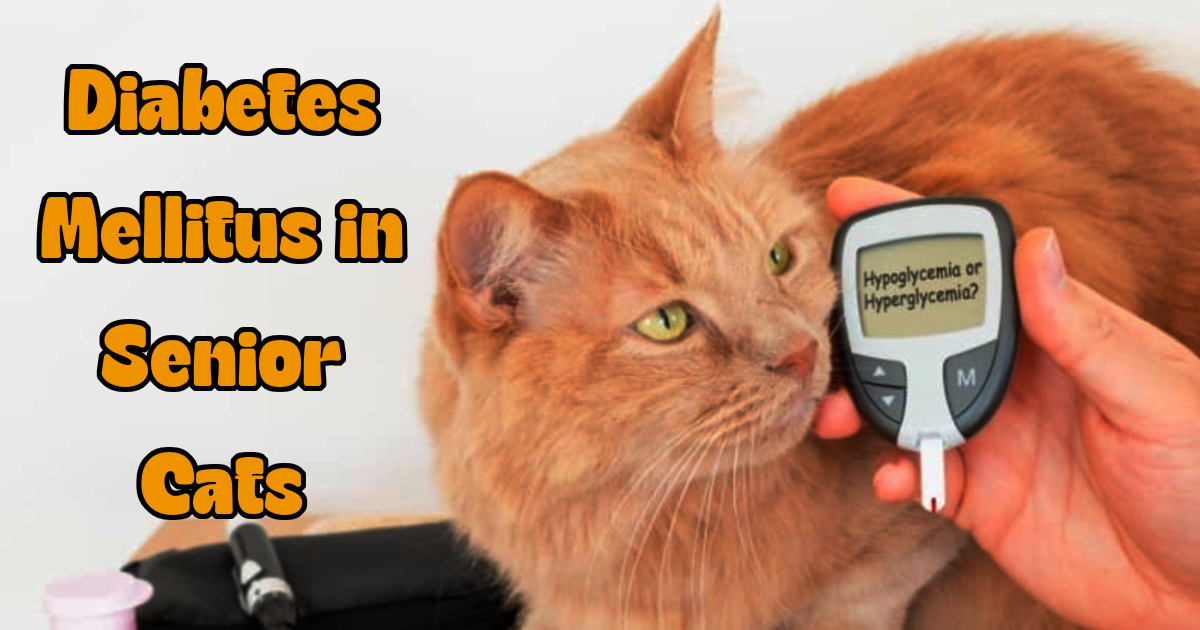
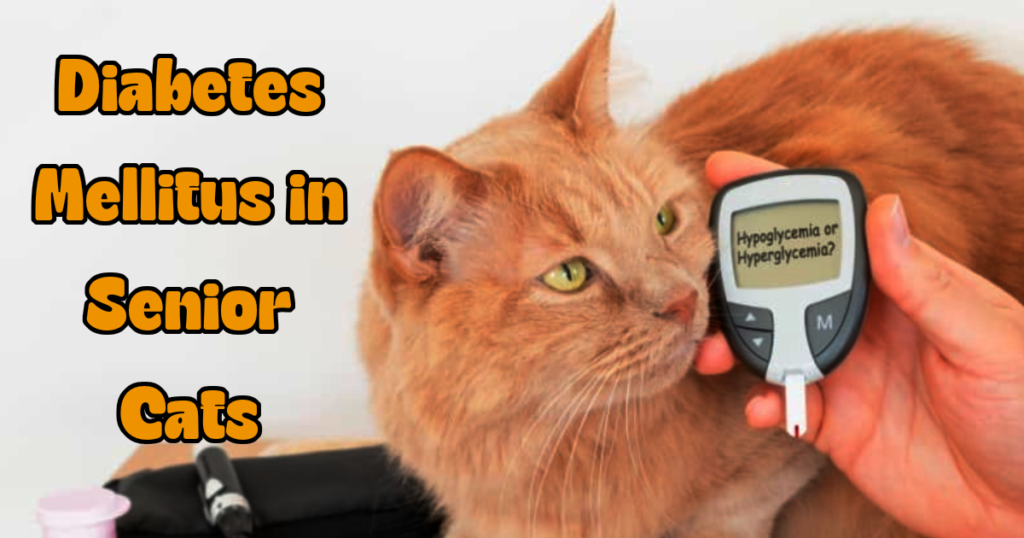
Home Monitoring: Using a glucometer for cats allows owners to track trends. Record glucose readings, food intake, and activity. Knowing when to call the vet is essential; persistent hyperglycemia, vomiting, or sudden weakness require immediate attention.
Preventing Hypoglycemia in Senior Cats
Shakiness, weakness, confusion, or seizures can indicate hypoglycemia (low blood sugar). Rapid action is critical. Apply glucose gel to gums or feed a small snack if the cat is conscious. Severe cases require immediate veterinary care. Always store insulin in the refrigerator and handle it carefully.
Frequently Asked Questions (FAQs)
Q1: Can senior cats reverse diabetes?
A1: In some cases, with strict diet control, weight management, and early intervention, cats may achieve remission, but ongoing monitoring is necessary.
Q2: How often should I test my cat’s blood sugar?
A2: Frequency depends on insulin therapy and veterinary advice. Typically, twice daily testing aligns with insulin injections.
Q3: What is the best diet for diabetic senior cats?
A3: High-protein, low-carbohydrate diets—preferably wet food—help stabilize blood sugar and support lean body mass.
Final Thoughts
Managing diabetes mellitus in senior cats may seem daunting, but with proper nutrition, insulin therapy, and monitoring, cats can live healthy and happy lives well into their golden years. Stay vigilant, maintain routines, and work closely with your veterinarian.
Reference: American Association of Feline Practitioners (AAFP) Diabetes Guidelines.