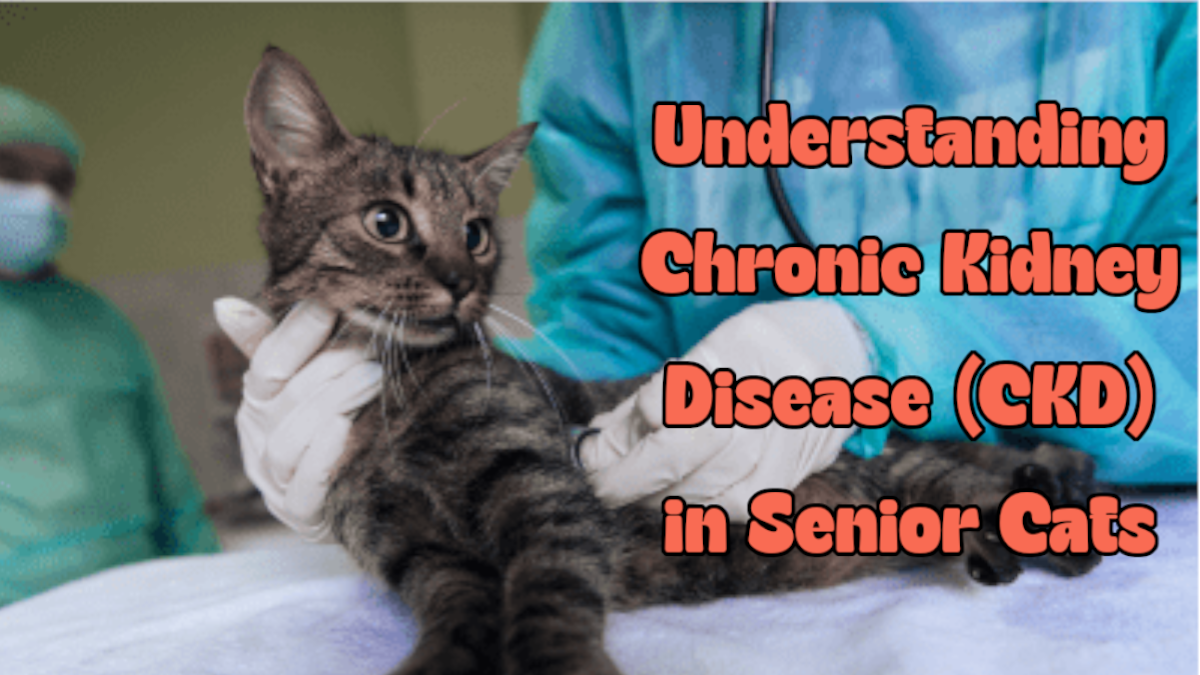
Understanding Chronic Kidney Disease (CKD) in Senior Cats
A comprehensive guide for cat parents on detection, care, and quality of life.
Chronic Kidney Disease (CKD) is one of the most common health issues affecting senior cats. As cats age, their kidneys gradually lose their ability to filter waste and maintain proper fluid balance.
This process is often slow and progressive. As cat parents, we know how heartbreaking it is to see our feline friends slow down, and because the signs are subtle, many of us may not notice them until the disease has already advanced.
While a CKD diagnosis can feel overwhelming, it does not mean the end of a happy life. With early detection, the right life expectancy management, and proper care, many senior cats continue to live comfortably for years.
What Is Chronic Kidney Disease in Cats?
Chronic Kidney Disease is a long-term condition where the kidneys slowly lose their function. These vital organs filter toxins from the blood, regulate hydration, and balance essential minerals.
When kidney function declines, waste products build up in the bloodstream. This buildup can affect multiple body systems, leading to noticeable changes in your cat’s appetite, energy, and overall behavior.
Why Senior Cats Are More Prone to CKD
Age is the biggest risk factor. Over the years, kidney tissues naturally deteriorate. Unlike other organs, kidney cells do not regenerate effectively, meaning damage accumulates over a lifetime.
Other factors include genetics, previous infections, or chronic dehydration. Because conditions like diabetes or hyperthyroidism are common in older cats, the risk of CKD increases significantly after age ten.
Early Symptoms of Kidney Disease in Senior Cats
One of the biggest challenges is that CKD often begins silently. Early signs are easily mistaken for “just getting old.” However, attentive parents should look for:
- Increased thirst: Spending more time at the water bowl or seeking water from faucets.
- Frequent urination: Finding larger or more frequent clumps in the litter box.
- Mild weight loss: Noticing your cat feels “lighter” despite eating normally.
- A dull coat: Less grooming and a lack of the usual shine in their fur.
Early recognition is the key to slowing the progression and improving the life expectancy of a cat with CKD.
Managing CKD: Nutrition and Care
Although there is no cure, CKD is highly manageable. The goal is to reduce the workload on the kidneys and maintain a high quality of life.
Management strategies include:
- Kidney-Support Diets: Finding the best food for cats with kidney disease is crucial. These diets are typically lower in phosphorus.
- Hydration: Switching to wet food or using a water fountain to encourage drinking.
- Medications: To control blood pressure or nausea as recommended by your vet.
Let’s make every purr count!
Early intervention is the best gift you can give your senior cat.