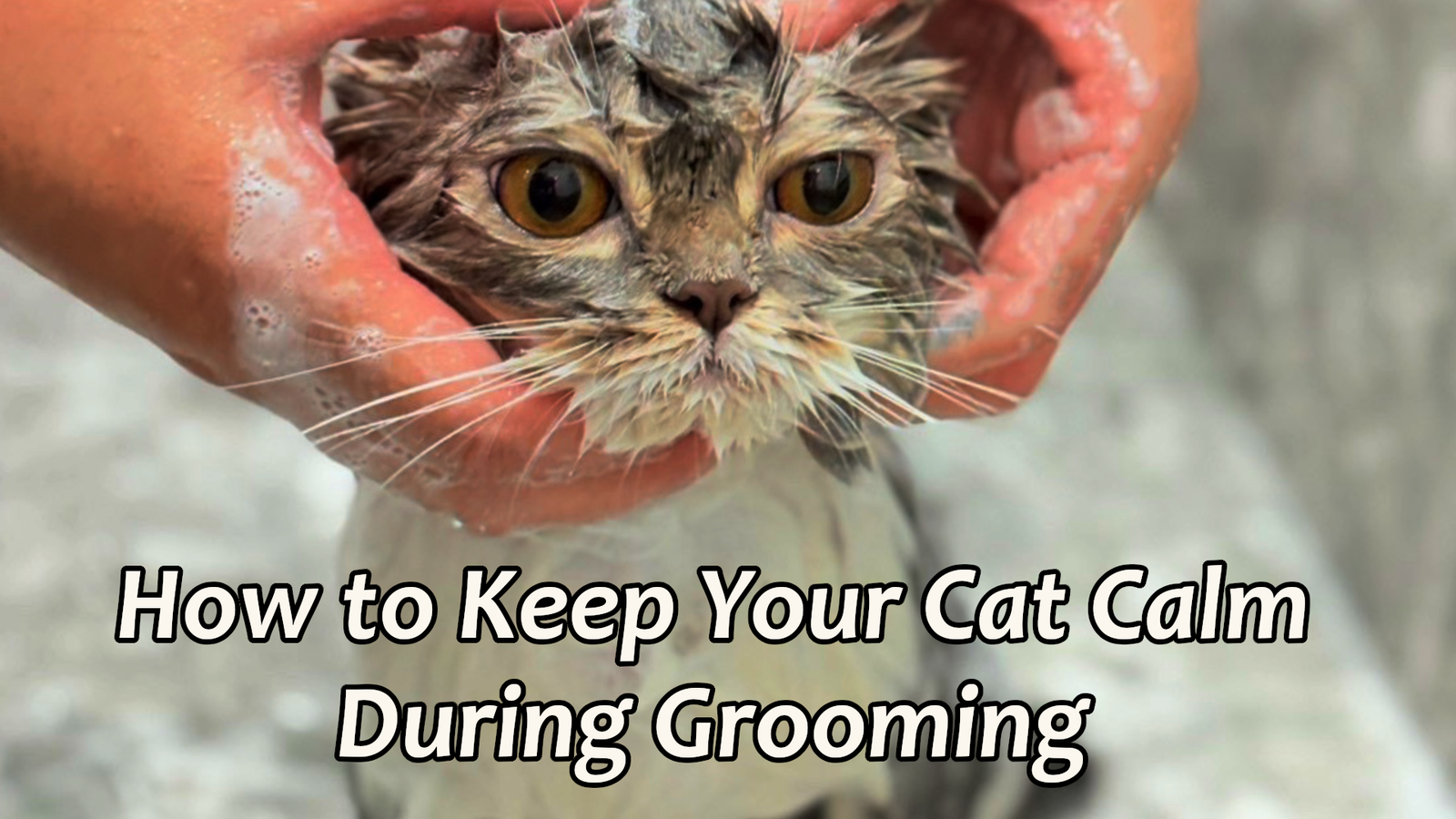
How to Keep Your Cat Calm During Grooming (12 Proven Methods)
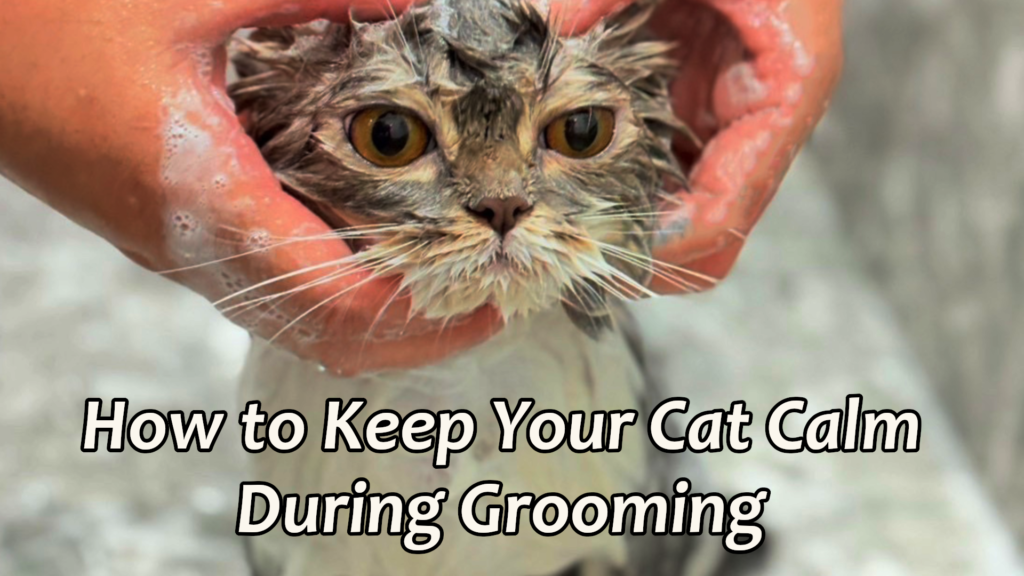
You pick up the brush. Your cat sees it and runs under the bed. You sigh. You know grooming needs to happen, but you also know it usually ends with scratches, hisses, and a hiding cat.
Does this sound familiar?
The good news is that grooming does not have to be a battle. With the right techniques, you can turn a stressful experience into a calm, even pleasant, bonding moment.
In this article, I will share twelve proven methods to keep your cat calm during grooming. These techniques come from feline behavior research and real experience. They work for nervous kittens, anxious adults, and sensitive senior cats alike.
Why Calm Grooming Matters
Before we dive into the methods, let us understand why calm grooming is so important.
When your cat is stressed during grooming, several things happen:
- Her stress hormones (cortisol) rise
- Her trust in you decreases
- Future grooming sessions become harder
- She may hide or avoid you for hours
- She may develop fear of brushes, combs, or water
Calm grooming does the opposite. It builds trust, lowers stress hormones, and makes each future session easier than the last.
Now, let us get into the twelve methods that will transform your grooming routine.
Method 1: Start with Short Sessions (The Two-Minute Rule)
The biggest mistake most cat owners make is grooming for too long. You want to get it all done at once. Your cat wants you to stop after two minutes.
Here is the rule: Set a timer for two minutes. When it goes off, stop. Even if your cat seems fine.
Why does this work? Cats learn through short, positive experiences. A two-minute session that ends happily is better than a ten-minute session that ends with a hiss.
Over time, you can increase the duration. But start with two minutes. Your cat will thank you.
Method 2: Use High-Value Treats as a Reward
Treats are not just for after grooming. Use them during grooming to create positive associations.
Before you even touch your cat with the brush, show her a treat. Let her sniff it. Give her a small taste.
Then, brush once. Immediately give another treat.
Repeat this pattern: brush, treat, brush, treat. Your cat’s brain will start connecting brushing with something delicious.
Best treats for grooming sessions: Liquid treats in a tube (Churu or similar), freeze-dried chicken or fish, small pieces of cooked chicken, catnip treats.
Keep the treats nearby. Use them generously. Over time, your cat will look forward to grooming because she knows treats are coming.
Method 3: Choose the Right Time of Day
Timing is everything. Grooming your cat at the wrong time guarantees stress.
The best time to groom your cat is after a play session when she is tired but not sleeping.
The worst times to groom: Right after waking up (cats are disoriented), right before mealtime (cats are focused on food), when other pets are nearby, when children are loud or running around, when you are in a hurry.
Observe your cat’s daily rhythm. Most cats are calmest in the late morning and early afternoon. Experiment with different times and notice when your cat is most receptive.
Method 4: Create a Calm Environment
The grooming environment matters as much as your technique. A chaotic, loud, or unfamiliar space will stress your cat before you even start.
How to create a calm grooming space: Choose a quiet room away from other pets, close doors and windows to block outside noise, dim the lights or use soft natural light, play soft classical music or white noise, use a feline pheromone spray 15 minutes before starting.
Pheromone sprays like Feliway mimic the calming scents cats naturally produce. Spray the grooming area, not your cat. Let it settle for 15 minutes before you begin.
Method 5: Use the Right Grooming Tools
The wrong tool can hurt your cat or scare her. The right tool feels good and makes grooming easy.
If your cat is very nervous, start with a grooming glove. Wear it on your hand and pet your cat normally. She will not even realize she is being groomed.
The 5 essential tools for stress-free cat grooming can make a huge difference in how your cat responds to each session.
Method 6: Let Your Cat Sniff the Tools First
Never start grooming immediately. Give your cat time to investigate the tools.
Place the brush or comb on the floor near your cat. Let her approach it on her own terms. Allow her to sniff it, paw at it, or rub her face against it.
This investigation phase does two things. First, it removes the element of surprise. Second, it allows your cat to leave her scent on the tool, marking it as safe.
Wait until your cat seems bored with the tool before you pick it up to groom. This patience pays off.
Method 7: Follow the Three-Second Pause
While grooming, pause every few seconds. Remove the brush from your cat’s fur completely. Let her relax.
The three-second pause gives your cat a chance to reset. If she was feeling slightly annoyed, the pause allows her to calm down before annoyance turns into stress.
Here is the rhythm: Brush for three seconds, pause for three seconds, brush for three seconds, pause for three seconds.
This slow, interrupted rhythm feels much less intense than continuous brushing. Your cat will tolerate longer sessions because she gets frequent breaks.
Method 8: Groom in the Direction of Fur Growth
It sounds obvious, but many people brush against the fur direction to remove more loose hair. This is uncomfortable for your cat.
Always brush in the direction your cat’s fur naturally grows. Start at the head and move toward the tail. Use long, smooth strokes.
Brushing against the grain lifts the fur and pulls at the skin. It can feel like someone pulling your hair. No wonder cats hate it.
If you need to remove mats or tangles, work them out gently with your fingers first. Then brush in the natural direction.
Method 9: Watch for Stress Signals and Stop When You See Them
This is the most important method on this list. You must learn to read your cat’s body language and respect her limits.
Stop grooming immediately if you see: Tail twitching or thumping, ears flattening against the head, skin rippling along the back, dilated pupils, trying to move away or hide, hissing or growling.
Do not push through these signals. Do not tell yourself “just one more minute.” Stop. Give your cat a treat and try again later.
For a complete guide to reading these signals, read my article: 7 Signs Your Cat Is Stressed During Grooming (And When to Stop)
Method 10: Use a Non-Slip Surface
Cats panic when they lose their footing. A slippery table or bathtub terrifies them instantly.
Always place a non-slip mat, a yoga mat, or a thick towel under your cat during grooming. This simple step alone can cut stress levels in half.
If you groom on a table, use a table with edges so your cat can see the boundaries. If you groom on the floor, sit with your cat rather than standing over her.
For bathing specifically, a rubber mat in the bottom of the tub is essential. A cat who feels secure under her paws will not try to escape as violently. This ultimate stress-free guide to bathing a cat covers non-slip surfaces and other essential techniques.
Method 11: Incorporate Grooming into Daily Routine
Do not wait until your cat is matted or dirty to groom. Make grooming a regular, predictable part of your cat’s day.
When grooming happens at the same time every day, your cat learns to expect it. There is no surprise. No sudden change. Just another part of the daily rhythm.
A simple routine might look like this: Morning play session (10 minutes), breakfast, grooming (2-3 minutes), treat, nap time.
After two weeks of this routine, your cat will begin to understand the pattern. She may even come to you at grooming time because she knows treats follow.
Method 12: Stay Calm Yourself
Your cat can feel your energy. If you are tense, anxious, or frustrated, your cat will be too.
Before you start grooming, take a moment to calm yourself. Take three deep breaths. Relax your shoulders. Soften your face.
Speak to your cat in a soft, low voice. Avoid high-pitched or excited tones. Move slowly and deliberately.
If you feel yourself getting frustrated, stop. It is better to end the session early than to continue with frustrated energy. You can always try again in an hour or tomorrow.
Remember: Grooming is 20% tools and 80% psychology. Your calm presence is the most powerful tool you have.
Putting It All Together: A Sample Calm Grooming Session
Here is how a calm grooming session might look using these twelve methods:
- You spray pheromones in the quiet bathroom 15 minutes ahead.
- You play with your cat for 10 minutes to tire her out.
- You place a non-slip mat on the bathroom counter.
- You put on a grooming glove and let your cat sniff it.
- You show her a liquid treat and give a small taste.
- You set a timer for two minutes.
- You pet her with the grooming glove for three seconds, pause three seconds.
- You watch for stress signals. None appear.
- You give another treat mid-session.
- The timer goes off. You stop immediately.
- You give a final treat.
- Your cat jumps down calmly and walks away, not hiding.
This is not magic. It is just good preparation and respect for your cat’s limits.
How Long Until I See Results?
Every cat is different. Some cats calm down after just one session using these methods. Others need weeks of consistency.
Do not get discouraged if your cat does not change overnight. Trust the process. Consistency is more important than speed.
What If Nothing Works?
Sometimes, despite your best efforts, your cat remains terrified of grooming. This is not your fault. Some cats have had bad experiences before you met them.
If these methods do not work after one month of consistent effort, consider these options:
- Hire a professional cat groomer (they have experience with difficult cats)
- Ask your veterinarian for anti-anxiety medication for grooming days
- Use waterless grooming methods only (wipes, waterless shampoo)
- Accept that your cat may never enjoy grooming and focus on vet-recommended minimums
Sometimes the answer is learning how to clean a cat without water for stress-free alternatives that still keep your feline friend fresh.
Frequently Asked Questions
How long should a calm grooming session last?
For the first month, aim for 2-3 minutes maximum. After your cat tolerates that well, increase to 5 minutes. Most cats never need more than 10 minutes of grooming per session.
Should I groom my cat every day?
Short-haired cats: once a week is enough. Long-haired cats: every other day. Daily grooming is fine if your cat enjoys it, but it is not necessary for most cats.
Can I use calming treats before grooming?
Yes. Look for treats containing L-theanine or casein. Test the treat on a normal day first. Never use sedatives without veterinary approval.
My cat hates being brushed. Should I give up?
No. Try a grooming glove instead of a brush. Start with just 30 seconds. Use very high-value treats. If your cat still hates it after one month, switch to waterless cleaning methods.
What if my cat bites me during grooming?
Stop immediately. Do not punish your cat. Clean the wound. Wait a full day before trying again. If biting continues, consult a veterinarian or behaviorist.
Does age affect how calm a cat is during grooming?
Yes. Kittens are more adaptable but have short attention spans. Senior cats may have arthritis or sensitive skin. Adjust your pressure and session length based on your cat’s age. Use our Cat Age Calculator to understand your cat’s life stage.
Keeping your cat calm during grooming is not about forcing her to tolerate something she hates. It is about building trust, respecting her limits, and creating positive associations.
Start with the two-minute rule. Use high-value treats. Choose the right time and place. Watch for stress signals and stop when you see them. And most importantly, stay calm yourself.
Your cat may never love grooming. But with these twelve methods, she can learn to tolerate it calmly. And that calm tolerance is the foundation of a stronger, more trusting relationship.
Now it is your turn. Pick one method from this list and try it today. Just one. See how your cat responds. Then add another method tomorrow.
Before you know it, grooming will no longer be a battle. It will be just another quiet moment between you and your cat.
Which method will you try first? Share your experience in the comments below.
And do not forget to use our Cat Age Calculator to understand your cat’s grooming needs at every life stage.