
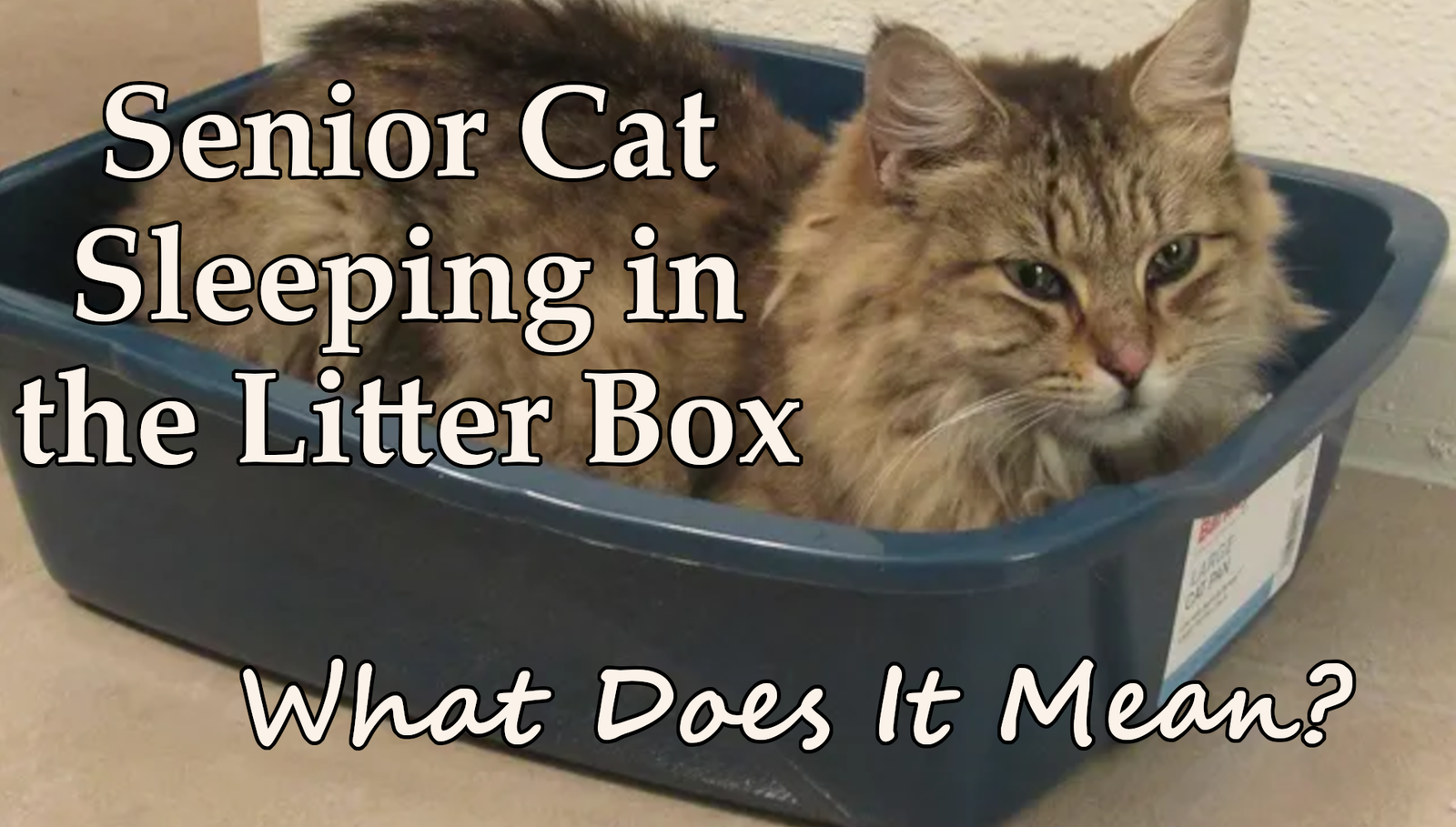
Senior Cat Sleeping in the Litter Box: What Does It Mean?
By Sarah Johnson | CatParentsGuide
You walk past the laundry room and do a double take. Your elderly cat, who has slept in the same spot on the sofa for years, is curled up inside the litter box. She looks peaceful, almost comfortable. But something feels wrong.
This behavior stopped me cold the first time I saw it with my 16-year-old cat, Sophie. She had always been fastidious about her box. She would step in, do her business, and step out. She certainly never napped there.
If you are seeing the same thing, your first instinct might be confusion, then concern. You are right to be concerned. After researching this deeply and consulting veterinary resources, here is what I have learned about why senior cats do this and what you need to do about it.
The short answer: For a senior cat, this is usually not normal behavior. It often signals an underlying medical issue (arthritis, urinary problems, cognitive decline, or even diabetes), severe stress, or a problem with the litter box setup itself. While a kitten might do this out of curiosity, an older cat needs a vet visit.
⚠️ URGENT: If your male cat is straining to urinate, crying in the box, or producing little to no urine, this is a LIFE-THREATENING EMERGENCY. A urinary blockage can kill a male cat in 24-48 hours. Go to an emergency vet immediately.
First, Rule Out the Obvious: Check the Box Itself
Before you assume the worst, take a hard look at the litter box situation. Sometimes the simplest explanation is the right one.
When Was the Last Time You Cleaned It?
Cats are clean animals. An elderly cat with a weaker sense of smell might tolerate a box you would find offensive. But if the box is truly dirty, she is not sleeping there because she likes it. She might be trying to tell you something, or she might simply be too tired or sore to walk to a cleaner spot.
Try a complete litter change. Wash the box with mild, unscented soap. Sometimes a fresh start is all it takes.
Could the Box Be Hard to Get Out Of?
This is a big one for senior cats. Arthritis is extremely common in cats over 12. If your cat has a high-sided litter box, she might climb in and then realize getting back out hurts.
I saw this with my own cat. She would step in, use the box, and then just… stay there. The vet explained that the effort of lifting her hind legs over the high side was painful. She was resting before attempting the exit.
The fix is simple: Buy a low-sided litter box. You can even use a shallow plastic storage bin lid or a boot tray. Make it easy for her to walk in and out without jumping.
Does She Have Enough Boxes?
In a multi-cat home, one cat might guard the litter box area. An older, more submissive cat might sleep in the box just to have access to it when she needs it.
The standard rule is one box per cat, plus one extra. If you have two cats, you should have three boxes in different locations. This reduces competition and gives your senior cat her own safe space.
The Medical Reasons Your Senior Cat Is Sleeping in the Litter Box
If the box is clean and easy to access, it is time to look at your cat’s health. Cats are masters at hiding pain. Sleeping in the litter box is sometimes the only clue you will get.
Arthritis and Mobility Pain
As cats age, their joints deteriorate just like ours do. Arthritis makes walking painful. Jumping is even worse.
Think about it from your cat’s perspective. The litter box is usually in a quiet corner. It has soft (ish) litter. If getting back to her bed hurts, why would she leave? The box becomes a resting spot simply because she is already there.
What to look for: Does your cat struggle to jump onto the sofa? Does she hesitate at the top of the stairs? Is she sleeping more than usual? These are all signs of joint pain.
What to do: Talk to your vet about pain management for cats. There are excellent medications and supplements (like glucosamine and omega-3 fatty acids) that can make a world of difference. Also, add soft, orthopedic beds in warm, easy-to-reach places. Give her a reason to leave the box.
Urinary Tract Problems
This is a medical emergency disguised as strange behavior. Cats with urinary tract infections, bladder stones, or kidney disease often feel a constant, urgent need to urinate.
When the urge is always there, some cats simply stay in the box. It is the feline equivalent of camping out in the bathroom because your stomach is upset.
⚠️ MALE CATS: A urinary blockage is one of the most common and deadly emergencies in male cats. Signs include straining without producing urine, crying, lethargy, and vomiting. If your male cat is sleeping in the box and showing any of these signs, DO NOT WAIT. This is a fatal condition without immediate veterinary treatment.
Red flags to watch for:
- Straining to urinate with little or no output
- Crying or meowing in the box
- Blood in the urine
- Going in and out of the box repeatedly
What to do: If you see any of these signs, go to the vet immediately. Do not wait until morning. This is not a “schedule an appointment” situation. This is an emergency.
Diabetes Mellitus
This one surprised me when I learned about it. Cats with undiagnosed or poorly managed diabetes drink excessive amounts of water and urinate frequently. Some diabetic cats become so exhausted from this cycle that they simply stay in or near the litter box.
Increased thirst and urination are classic early signs of diabetes in senior cats. If your cat is sleeping in the box and also emptying her water bowl faster than usual, diabetes is a real possibility.
What to look for: Weight loss despite a good appetite, lethargy, and a dull coat alongside the litter box behavior.
What to do: Ask your vet to check her blood sugar. For a complete guide on recognizing and managing this condition, read our article: Diabetes Mellitus in Senior Cats: Tips for Supporting Blood Sugar Levels Safely.
Digestive Problems
The same logic applies to diarrhea or severe constipation. A cat with an upset stomach may not want to stray far from the toilet.
If your cat has diarrhea, she may be sleeping in the box because she is exhausted and uncomfortable. Constipation can also cause a cat to linger, straining and feeling miserable.
What to do: A vet visit is in order. Digestive issues in senior cats can point to dietary problems, inflammatory bowel disease, or even cancer.
Feline Cognitive Decline (Cat Dementia)
This one breaks my heart, but it is important to discuss. Studies show that 28% of cats between 11 and 14 years old show at least one sign of cognitive dysfunction. For cats over 15, that number jumps to 50%.
In simple terms, old cats can get something very similar to Alzheimer’s in humans.
How Dementia Shows Up in the Litter Box
A cat with cognitive decline may sleep in the litter box because she is confused. She may have forgotten where her bed is. She may not recognize her usual sleeping spots. The litter box smells like her, so it feels familiar. She goes there because it is the only place that still makes sense.
Other Signs of Cat Dementia
- Forgetting routines: She may stand by her empty food bowl, then walk away confused. She might forget that you just fed her.
- Getting stuck in corners: You might find her staring at a wall or unable to navigate around a chair leg.
- Yowling at night: Disorientation often gets worse in the dark. Many demented cats cry loudly at night.
- Not recognizing you: The most heartbreaking sign. She may hiss when you approach or seem distant.
What to do: There is no cure for cognitive decline, but you can manage it. Keep her routine rock solid. Do not rearrange furniture. Leave a night light on for her. Your vet can also recommend supplements (like SAMe or omega-3s) that support brain health.
Stress and Anxiety: The Emotional Reasons
Cats hate change. A senior cat hates it even more. Their world has shrunk. They rely on routine.
If you have recently moved, added a new pet or person to the house, or even rearranged the furniture, your cat may be stressed. The litter box smells like her. It is enclosed (especially if you use a hooded box). It feels like the only safe place left.
How to Tell If It Is Stress
Did this behavior start right after a specific event? A move? A new baby? Construction noise? If yes, stress is the likely culprit.
What to do: Create safe spaces that are not the litter box. Get a covered cat bed. Leave out a cardboard box with a soft blanket inside. Use a calming pheromone diffuser (like Feliway) near her favorite area. Give her time and do not force interaction.
Is Your Cat Pregnant or a Recent Rescue?
Two special cases are worth mentioning.
Late-Stage Pregnancy
If your female cat is not spayed and is close to giving birth, she will look for a safe, enclosed nest. The litter box fits the bill. It has high sides and smells like her.
What to do: Create a proper birthing box. Line a cardboard box with old towels or blankets. Put it in a quiet, dark corner. Move her food and water nearby. She will likely choose the birthing box over the litter box.
Shelter History
If you recently adopted your senior cat from a shelter, this behavior may be a learned habit. In a small shelter cage, the litter box was often the only semi-private space. She learned to sleep there because she had nowhere else to go.
What to do: Be patient. Provide multiple cozy, enclosed beds around the house. Do not punish her for using the litter box as a bed. Over time, as she realizes she is safe and has options, she will likely choose a softer spot.
When to Call the Vet (A Clear Checklist)
If you are still unsure whether this is an emergency, use this checklist.
🚨 GO TO THE EMERGENCY VET IMMEDIATELY IF:
- Your male cat is straining to urinate with little or no output
- There is blood in the urine
- Your cat is crying or howling in the box
- Your cat is lethargic, not eating, or vomiting
- This behavior started suddenly in the last 24 hours
📅 SCHEDULE A VET APPOINTMENT WITHIN THE WEEK IF:
- Your cat has arthritis symptoms (stiffness, trouble jumping)
- Your cat has diarrhea or constipation
- Your cat shows other signs of dementia (night yowling, staring at walls)
- Your cat is drinking and urinating excessively (possible diabetes)
- The behavior has been going on for a few days but your cat seems otherwise stable
What You Can Do at Home Tonight
You do not need to wait for a vet appointment to make changes.
Step one: Lower the sides of the box. Use scissors to cut down the front edge of a plastic box, or buy a low-sided senior litter box. Make exit easy.
Step two: Add more boxes. Put an extra box in the room where she sleeps. Reduce the distance she has to walk.
Step three: Create better beds. Put a soft, heated cat bed in a quiet corner. Add a covered bed or a simple cardboard box with a blanket. Give her somewhere better to sleep.
Step four: Use a night light. If dementia is a possibility, a night light can reduce her confusion at night.
Step five: Keep a log. Write down when she sleeps in the box, how long she stays, and any other symptoms. This information is gold for your vet.
Frequently Asked Questions
Is it ever normal for a senior cat to sleep in the litter box?
No, not really. While a kitten might do this out of playfulness, an older cat sleeping in the litter box almost always indicates a health problem or severe stress. It is worth a vet visit.
My cat sleeps in the litter box but acts fine otherwise. Should I still worry?
Yes. Cats hide illness extremely well. By the time they act “sick,” the condition is often advanced. Sleeping in the litter box is an early warning sign many owners miss.
Can a dirty litter box cause this behavior?
Usually, a dirty box makes a cat avoid it, not sleep in it. However, a cat who is too weak or sore to move elsewhere might tolerate filth just to have a place to rest. Still, clean the box thoroughly as a first step.
Should I remove the litter box to force her to sleep somewhere else?
No. Never remove the litter box. She needs access to it for urination and defecation. Removing it will cause more stress and likely lead to inappropriate elimination around your house.
My cat has diabetes. Could that be related to litter box sleeping?
Yes. Diabetic cats often drink and urinate excessively. Some become so fatigued or feel so unwell that they linger in or near the litter box. Read our detailed guide: Diabetes Mellitus in Senior Cats: Tips for Supporting Blood Sugar Levels Safely.
⚠️ REMEMBER: A senior cat sleeping in the litter box is never normal. It is always a signal that something is wrong. The difference between a manageable condition and a fatal emergency often comes down to how quickly you act.
Putting It All Together: A Story of Sophie
I mentioned my cat Sophie earlier. She started sleeping in her litter box when she was 16. I panicked. I thought she was dying.
I took her to the vet. We ran tests. Her kidneys were fine. No urinary infection. But the vet noticed she was stiff when she stood up.
The diagnosis was severe arthritis. She was not sleeping in the box because she was sick. She was sleeping there because getting out hurt, so she just gave up and stayed.
We switched her to a low-sided box. I put a soft mat outside the entrance. I started her on a joint supplement and a low-dose pain medication.
Within three days, she stopped sleeping in the box. She still used it normally. But she walked out and went back to her bed on the sofa.
Your cat is not broken. She is trying to tell you something. Your job is to listen, observe, and act.
Have you seen this behavior in your senior cat? What worked for you? Share your experience in the comments below. And do not forget to use our Cat Age Calculator to better understand your cat’s life stage and what to expect as she ages.
About the author: I have been a cat owner for over 15 years and have cared for three senior cats through their golden years. My current cat, Sophie, is 17 and thriving with the right management of her arthritis and age-related needs.
Related reading from CatParentsGuide:
Diabetes Mellitus in Senior Cats: Tips for Supporting Blood Sugar Levels Safely
Cat Age Calculator: Convert Cat Years to Human Years