Why Is My Senior Cat Suddenly Clingy? What It Means and When to Worry
SJSarah Johnson · Cat Behavior Advocate · 15+ years experience
Disclaimer: This article is for informational purposes only and does not replace professional veterinary advice. Senior cats are especially vulnerable to medical conditions that can look like behavior changes. If your cat shows sudden changes in behavior, contact your veterinarian.
My cat Sophie turned sixteen last spring. For most of her life, she was the kind of cat who wanted affection on her terms a head bump when she walked past, a brief lap sit in the evening, then off to her own corner of the sofa. She was independent. She liked her space.
Then, almost overnight, everything changed. She started following me from room to room. She waited outside the bathroom door. She cried if I left the house. She wanted to be touching me at all times, and if I sat down, she was on my lap within seconds.
At first, I thought it was sweet. A few weeks in, I started to worry. This was not the cat I had lived with for a decade and a half. Something was different, and I could not put my finger on what.
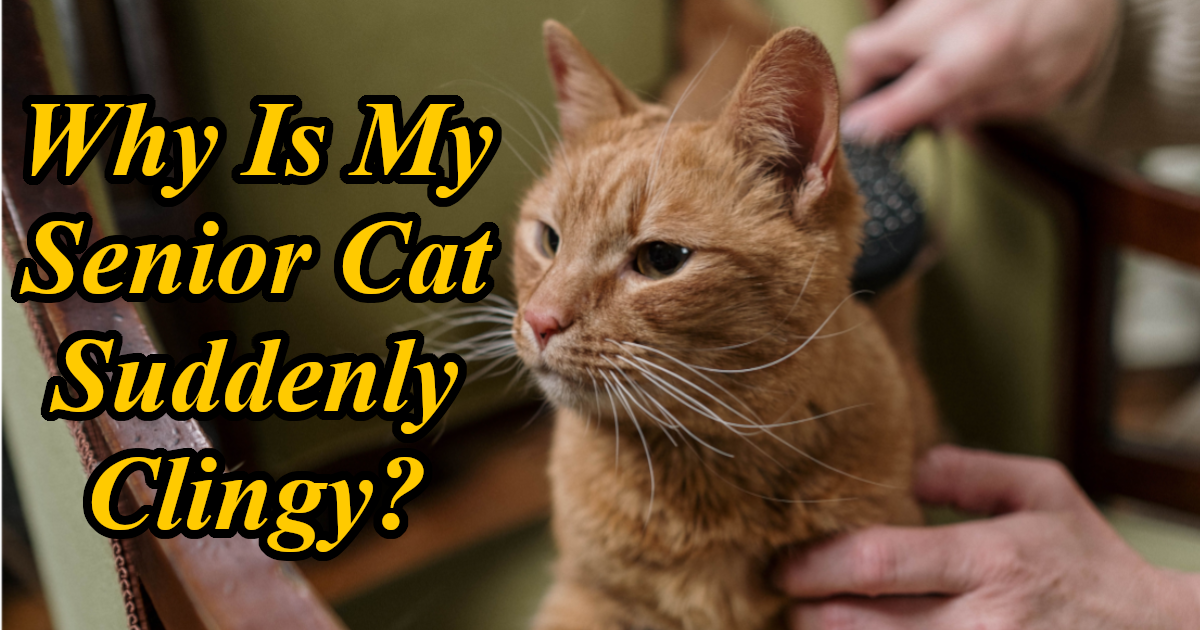
It took me a while to realize I was dealing with a classic case of a senior cat suddenly clingy and that the behavior was not just affection, but a signal I needed to learn how to read.
If you are reading this, you are probably in the same place. Your senior cat has become suddenly clingy, and you are trying to figure out whether this is normal aging or something you should be concerned about. The honest answer is: it depends. Sometimes it is simple emotional bonding. Sometimes it is the first sign of a medical issue that needs attention. Here is how to tell the difference.
Quick Answer: A senior cat who becomes suddenly clingy may be experiencing cognitive decline, sensory loss (sight or hearing), chronic pain, or anxiety from a changed routine. It can also be normal emotional bonding in old age. The key is whether the clinginess comes with other changes appetite, vocalization, mobility, or litter box habits. If it does, see your vet.
Key Takeaways:
- Sudden clinginess in a senior cat is not always a red flag, but it should never be ignored.
- Common medical causes include arthritis, cognitive dysfunction, vision or hearing loss, and hyperthyroidism.
- Watch for other changes: appetite, vocalization at night, accidents outside the litter box, or hesitation to jump.
- Small home adjustments ramps, low-sided litter boxes, warm resting spots can help enormously.
- If the behavior appears suddenly and persists, book a vet visit. Early detection makes a real difference in senior cat care.
In This Article:
- Why Sudden Clinginess Happens in Older Cats
- Is This Normal Aging, or Something Medical?
- Signs That Point to a Medical Cause
- How to Support a Clingy Senior Cat
- When Clinginess Comes With Other Behavior Changes
- When to See a Veterinarian
- Frequently Asked Questions
- The Bottom Line
Why Is a Senior Cat Suddenly Clingy? Common Causes Explained
There is no single reason a senior cat becomes clingy. In my experience both with my own cats and with the dozens of senior cats I have helped through rescue work it usually comes down to one of a few underlying causes. Sometimes more than one at the same time.
Cognitive Changes (Feline Cognitive Dysfunction)
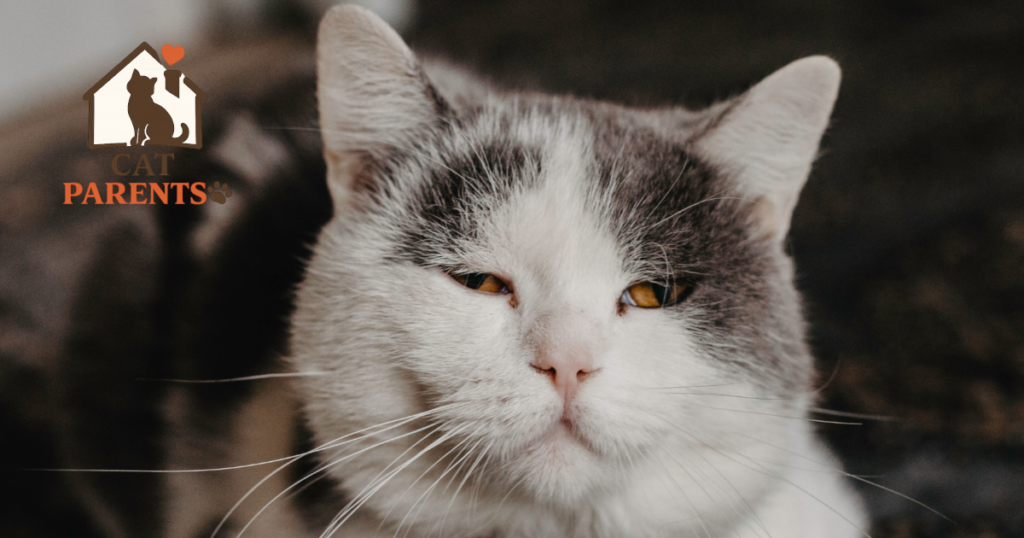
Feline Cognitive Dysfunction (FCD) is the cat equivalent of dementia, and it is far more common in senior cats than most owners realize. A disoriented cat often becomes clingy because you are the one familiar thing left in a world that no longer makes sense.
If your cat seems confused at night, stares at walls, or yowls in the early hours, FCD is worth discussing with your vet. Clinginess can be one of the earliest signs, showing up before the more obvious symptoms. The ASPCA’s guide to common cat behavior issues is a useful starting point if you want to understand how cognitive and behavioral changes overlap in older cats.
Sensory Decline Losing Sight or Hearing
Cats hide vision and hearing loss remarkably well. They compensate using their whiskers, memory, and routine. But when the world gets quieter and blurrier, a senior cat naturally gravitates toward what still feels safe you.
You might notice she startles more easily, does not come when called, or seems to lose track of where you are. That clinginess is not neediness. It is her way of staying oriented in a world that has become harder to read.
Pain or Physical Discomfort (Arthritis, Illness)
Arthritis is extremely common in older cats, and it is chronically underdiagnosed because cats hide pain so well. A cat whose joints ache may seek you out for warmth, comfort, or simply because she feels vulnerable and wants to be near her safest person.
Other painful conditions dental disease, urinary issues, hyperthyroidism can also trigger clingy behavior. When a cat does not feel well, she often wants to be close to the human she trusts.
Anxiety From a Changing Routine or Environment
Senior cats are creatures of habit to an extreme degree. A new baby, a move, a change in work schedule, a new pet, even furniture being rearranged can trigger real anxiety. Where a young cat might adapt in a few days, an older cat may take weeks and in the meantime, she clings to the one constant she has: you.
Simple Emotional Bonding Not Always a Red Flag
Here is the part most articles skip: sometimes a senior cat just wants to be near you because she loves you and she is slowing down. As cats age, their world shrinks. They sleep more, explore less, and rely more on the familiar. If your cat is otherwise healthy, eating well, using the litter box normally, and just wants to be your shadow, that might simply be her version of growing old with you.
Is This Normal Aging, or Something Medical?
This is the hardest question to answer on your own, and I want to be honest with you: even experienced cat owners cannot always tell. The difference usually comes down to whether the clinginess is isolated or part of a broader pattern.
If the only change is that your cat wants more physical closeness, and everything else is normal, watchful waiting is reasonable. If anything else has changed even something small it is worth a vet visit.
I have written about a related situation in senior cats who start sleeping in the litter box. That behavior, like a senior cat suddenly clingy, is often a sign that something has shifted beneath the surface. Both deserve the same response: observe carefully, then call your vet.
Signs That Point to a Medical Cause
If your senior cat is clingy AND any of the following is true, schedule a vet appointment sooner rather than later.
- Appetite changes: Eating less, eating more, or losing weight despite a good appetite.
- Vocalization changes: Yowling at night, crying for no obvious reason, or meowing more than usual.
- Mobility issues: Hesitating before jumping, walking stiffly, or avoiding stairs and furniture she used to climb.
- Litter box problems: Accidents outside the box, straining to urinate, or going much more frequently.
- Grooming changes: A dull coat, mats she used to keep clean, or over-grooming a specific area.
- Disorientation: Getting stuck in corners, staring at walls, or seeming confused about familiar spaces.
- Sleep pattern changes: Wandering at night, sleeping more during the day than usual, or restlessness.
Important: A sudden behavior change in a senior cat is a medical symptom until proven otherwise. Cats rarely show pain in obvious ways they show it through behavior. If something feels off, trust that instinct.
How to Support a Clingy Senior Cat
Whatever the underlying cause, there is a lot you can do at home to make your senior cat’s life easier and calmer. Small changes make a big difference.
Make Access Easier (Ramps, Low-Sided Litter Boxes)
If your cat is stiff or sore, the effort of jumping onto the sofa or climbing into a high-sided litter box can be genuinely painful. Add a ramp or a set of pet stairs next to her favorite spots. Switch to a low-sided litter box if you have not already. These adjustments cost very little and often transform a cat’s willingness to move around the house.
Keep a Predictable Routine
Senior cats thrive on routine. Feeding times, play times, bedtime, and quiet hours should all follow the same pattern each day. If your schedule has changed recently or if there have been disruptions at home that alone might explain the clinginess. Returning to a predictable rhythm often helps resolve it.
Give Reassurance Without Overwhelming Her
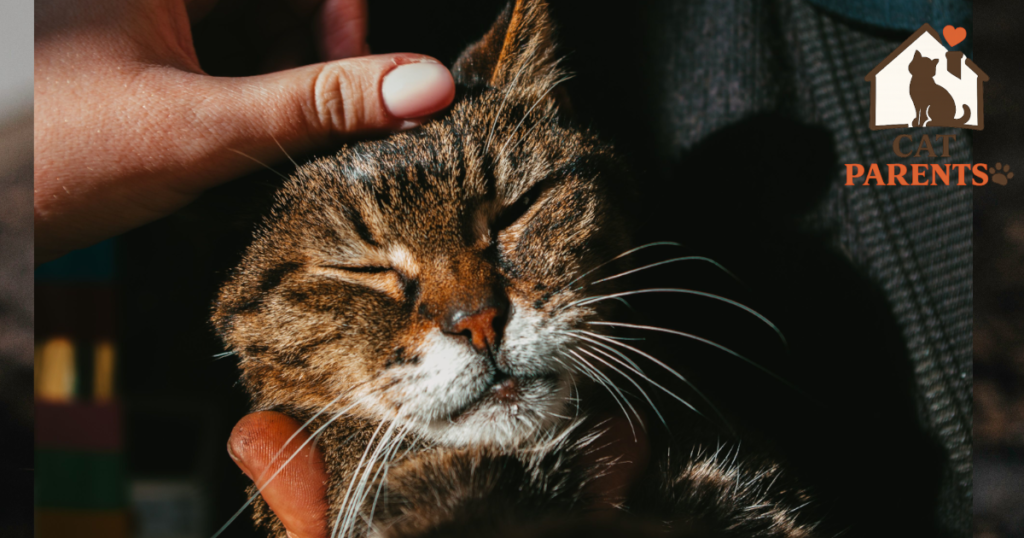
It is tempting to pour attention onto a clingy cat, but overdoing it can backfire. Let her come to you. Speak in a calm, low voice. Offer gentle petting on the areas she has always liked usually the head, cheeks, and chin and avoid the sensitive zones. If she seems overstimulated, give her space. The goal is to be a reliable, calming presence, not a constant source of stimulation.
Create Safe, Easy-to-Reach Resting Spots
Place warm, soft beds in every room your cat spends time in. Heated beds are especially helpful for arthritic cats. Put one near where you sit, so she can be close to you without needing to be on your lap. Position them away from drafts, and make sure there are clear, obstacle-free paths to get to them.
When Clinginess Comes With Other Behavior Changes
If your senior cat is not just clingy but also hiding, pacing at night, meowing loudly, or having accidents, you are likely looking at something more than simple aging. These combined changes often point to cognitive dysfunction, chronic pain, or an underlying medical condition.
If your cat also hides after stressful events like grooming or bathing, you may find our article on why cats hide after a bath helpful. And if she has started following you around specifically after grooming sessions, why cats become clingy after a bath covers that specific pattern in more detail. The same emotional mechanisms feeling vulnerable, seeking reassurance often overlap.
Also worth knowing: if you have started grooming your senior cat and she resists more than she used to, it may be pain rather than stubbornness. Our guide on how to desensitize a cat to grooming explains how to rebuild trust slowly, which is especially important for aging cats.
When to See a Veterinarian
Book an appointment with your vet if any of the following applies:
- The clinginess appeared suddenly (within days or weeks) with no obvious trigger.
- It comes with any of the medical signs listed above.
- Your cat seems confused, disoriented, or is vocalizing at night.
- She has stopped eating, lost weight, or is drinking much more than usual.
- You simply feel something is wrong. Trust that feeling.
Your vet will likely run blood work, check her thyroid and kidney function, examine her joints, and ask detailed questions about behavior. Be honest about everything you have noticed, even the small things. Senior cats hide symptoms well, and the details you provide often make the diagnosis.
Frequently Asked Questions
Is clinginess a sign of dementia in cats?
It can be. Feline Cognitive Dysfunction often shows up first as disorientation, night vocalization, or clingy behavior. If your cat is over 11 and suddenly clings to you, it is worth mentioning to your vet.
Should I be worried if my senior cat won’t leave my side?
Not automatically. If she is eating, drinking, using the litter box normally, and otherwise seems comfortable, this could simply be aging-related bonding. But if anything else has changed, see your vet.
Can pain make a cat more clingy?
Yes. Arthritis, dental disease, and other painful conditions commonly cause cats to seek comfort from their owners. If your cat seems stiff or reluctant to move, pain is a real possibility worth investigating.
My senior cat is clingy only at night. What does that mean?
Nighttime clinginess often points to cognitive decline, vision loss, or anxiety. Older cats can feel disoriented in the dark. A night light, a predictable bedtime routine, and a warm bed near yours can all help.
How do I know if my senior cat is in pain?
Look for subtle changes: hesitating to jump, walking stiffly, sleeping more, eating less, grooming less, or becoming irritable when touched in certain areas. Cats rarely cry out in pain they change their behavior instead.
Can I use the cat age calculator to know if my cat is officially senior?
Yes. Our Cat Age Calculator will show your cat’s age in human years, which helps you understand which life stage she is in and what health considerations are most relevant.
The Bottom Line
A senior cat who becomes suddenly clingy is not just being affectionate. She is communicating. Sometimes she is telling you she loves you and wants to be near you as she slows down. Sometimes she is telling you something hurts, something is confusing, or something has changed in her world that she cannot make sense of.
Your job is not to panic. It is to observe, to adjust what you can, and to bring in professional help when something does not add up. Senior cats are incredibly good at hiding problems, which is exactly why sudden changes deserve attention.
Whatever is going on with your cat, she is choosing you as her safe place. That is a gift. Honor it by paying attention to what she is trying to say.
Related reading from CatParentsGuide:
Senior Cat Sleeping in the Litter Box: What Does It Mean?
Why Are Cats Clingy After a Bath?
Why Does My Cat Hide After a Bath?
How to Desensitize a Cat to Grooming
Cat Age Calculator: Convert Cat Years to Human Years
About the author: Sarah Johnson is a cat behavior advocate with over 15 years of hands-on experience helping cat owners understand and support their cats through behavioral challenges. She has worked with rescue organizations and certified feline behaviorists to develop practical, humane solutions. She is not a veterinarian. This article is for informational purposes and does not replace professional veterinary or behavioral advice.