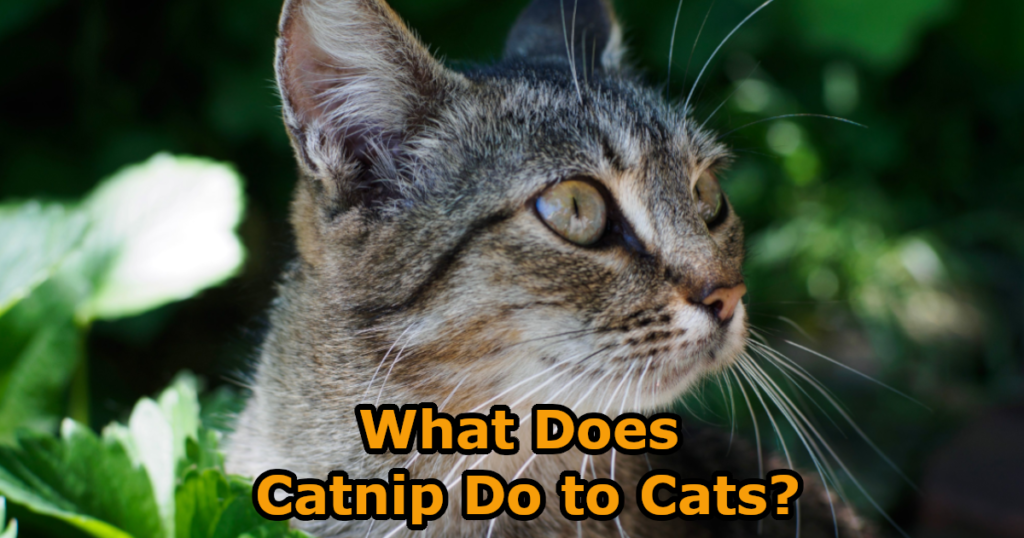
What Does Catnip Do to Cats? The Science Behind the Silly Behavior
SJSarah Johnson · Cat Behavior Advocate · 15+ years experience
Disclaimer: This article is for informational purposes only and does not replace professional veterinary advice. If your cat has a history of seizures, asthma, or any chronic health condition, consult your veterinarian before giving catnip.
The first time I gave my cat Luna a catnip toy, I genuinely thought something was wrong with her. She sniffed it, paused, and then flopped onto her side, rolled across the living room floor, kicked her back legs in the air, and stared at me with pupils the size of dinner plates. Ten minutes later, she stood up, yawned, and walked away like nothing had happened.
I had questions. Was she okay? Was she hallucinating? Was this something I should be worried about?
If you have ever watched your own cat have a similar reaction and wondered what does catnip do to cats, you are in the right place. The answer is more interesting than most people expect — and it has less to do with getting “high” in the human sense and more to do with a specific chemical trick that only affects certain cats.
Quick Answer: Catnip contains a compound called nepetalactone that binds to receptors in a cat’s nasal tissue. This triggers a response in the brain’s opioid system, producing a temporary euphoric state that lasts 5 to 15 minutes. It is non-toxic, non-addictive, and only affects roughly two-thirds of adult cats. Kittens under six months and about one-third of adult cats are genetically unaffected.
Key Takeaways:
- Catnip’s active compound is nepetalactone, found in the plant’s essential oil.
- The reaction is triggered through smell, not taste — the chemical binds to receptors in the nasal cavity.
- It activates the opioid system, which is why cats appear euphoric and relaxed.
- The response is genetic and inherited as a dominant trait. Roughly one-third of cats show no reaction at all.
- Catnip is safe in moderation. Overeating it can cause mild stomach upset, but it is not toxic.
In This Article:
- What Is Catnip, and Why Do Cats React to It?
- The Science: Why Catnip Triggers This Response
- What a Catnip Reaction Actually Looks Like
- Is Catnip Safe for Cats?
- Why Some Cats Don’t React to Catnip at All
- How to Use Catnip Safely and Effectively
- Frequently Asked Questions
- The Bottom Line
What Is Catnip, and Why Do Cats React to It?
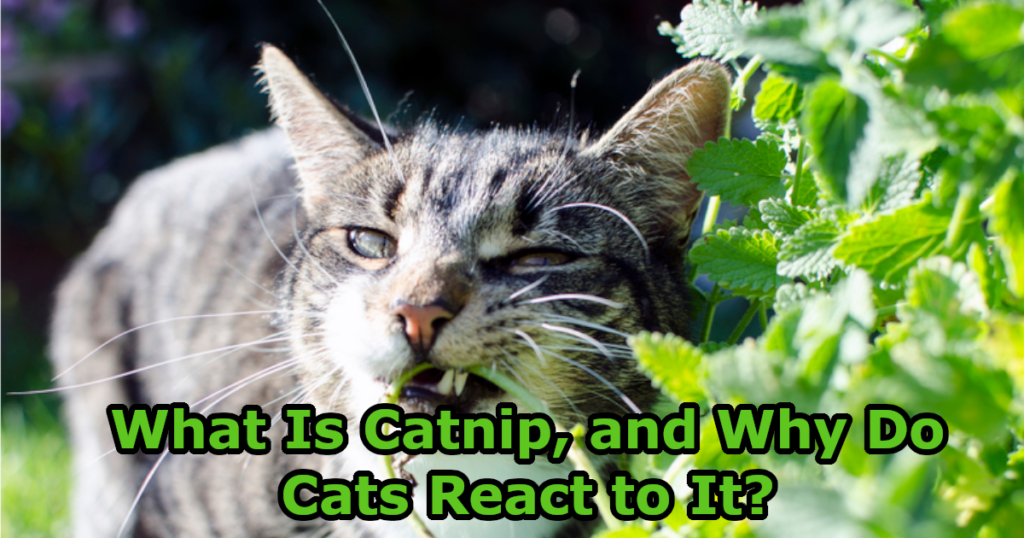
Catnip (Nepeta cataria) is a perennial herb in the mint family. It grows wild across Europe and North America, reaches about 25 to 40 centimeters in height, and produces small white flowers with purple markings. If you have ever rubbed a catnip leaf between your fingers, you already know the minty, slightly grassy scent it releases.
What makes catnip special is not the plant itself — it is a single chemical compound hiding inside microscopic glands on the underside of its leaves. That compound is called nepetalactone, and it makes up between 70 and 99 percent of the plant’s essential oil. When the leaf is crushed, chewed, or simply brushed against, nepetalactone is released into the air.
And that is when the show begins. For cats who are genetically sensitive to it, the smell of nepetalactone triggers a rapid, intense, and very specific behavioral sequence. For cats who are not sensitive, absolutely nothing happens. The plant might as well be a piece of lettuce.
Interestingly, catnip is not the only plant that produces this effect. Silver vine (Actinidia polygama), a plant native to parts of Asia, contains similar iridoid compounds and produces the same reaction in cats. Some studies even suggest that free-roaming cats prefer silver vine over catnip, though the reason for that preference is still being studied.
The Science: What Does Catnip Do To Cats?
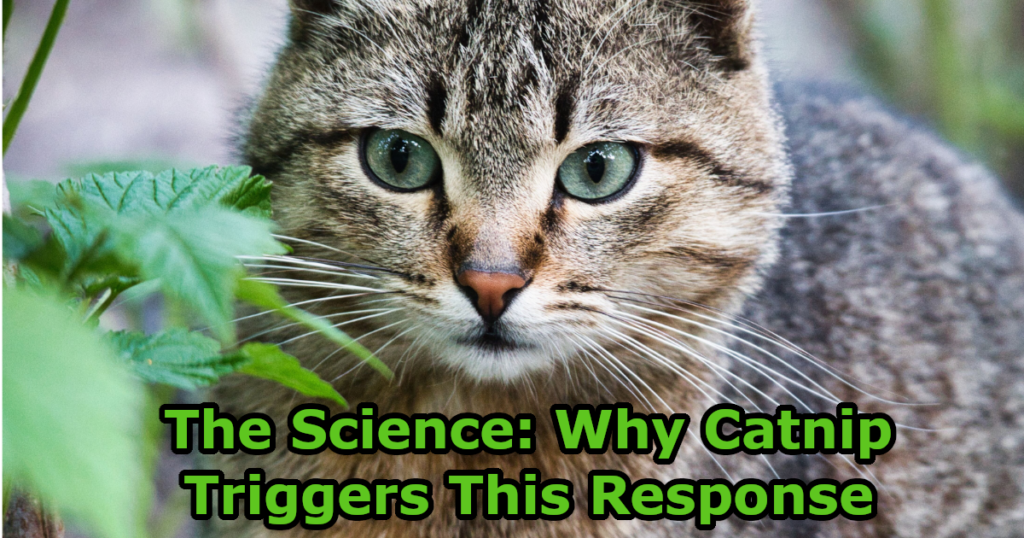
The short version is that catnip affects a cat’s brain through the nose. But the details are genuinely fascinating, and they explain why the reaction looks so strange.
It Starts in the Nose, Not the Mouth
When a sensitive cat sniffs catnip, nepetalactone travels through the nasal passages and binds to specialized protein receptors on the surface of olfactory cells. This triggers a nerve signal that travels directly to the olfactory bulb in the brain. From there, the signal activates regions of the brain that regulate emotion and hormone release.
This is why the reaction is primarily driven by smell. If a cat cannot smell the catnip — for example, if the catnip is old and has lost its volatile oils, or if the cat has a blocked nose — the reaction will not happen. Eating catnip does not produce the same effect, because the active compound is processed through the olfactory system, not the digestive system.
It Activates the Opioid System
Here is where the science gets really interesting. A landmark study published in 2021 in Science Advances focused primarily on nepetalactol, the active compound in silver vine — a plant closely related to catnip that produces the same reaction in cats. The researchers found that nepetalactol activates the body’s μ-opioid system, the same system that responds to morphine and other opioid drugs in humans. Because catnip contains nepetalactone, a structurally similar iridoid, the same mechanism is believed to apply.
When cats were exposed to the compound, researchers measured a significant increase in beta-endorphins — the body’s natural pain-relieving and pleasure-inducing chemicals — in their bloodstreams. When the opioid receptors were blocked with a medication, the cats stopped rubbing and rolling on the plant entirely. The original study is worth reading if you want the full details.
In other words, catnip and silver vine produce their effects by unlocking the same reward pathway that mediates pleasure and pain relief in mammals. Your cat is not imagining things. She is genuinely experiencing a temporary feeling of euphoria.
Why the Reaction Looks Like “Rolling and Rubbing”
The specific behaviors cats display — head rubbing, cheek rubbing, body rolling, and licking — are not random. They overlap with behaviors seen in sexual receptivity, play, and predatory sequences. One older theory suggested that catnip was an aphrodisiac, but later research showed that the reaction is independent of sex hormones. Neutered cats respond just as strongly as intact cats.
What is clear is that the rolling and rubbing serve a practical purpose. When a cat rubs against a catnip or silver vine plant, the plant’s oils transfer onto her fur and skin. The 2021 study found that this transfer actually acts as a natural mosquito repellent. The researchers concluded that the rolling behavior may be an instinctive form of self-medication against biting insects — a chemical defense strategy that evolved long before cats lived in our living rooms.
Is Catnip Safe for Cats?
Yes. Catnip is considered non-toxic and safe for cats when used in moderation. The Pet Poison Helpline classifies it as not toxic, and the ASPCA notes that while cats can experience mild digestive upset if they eat too much, the effect is generally mild and resolves on its own.
That said, “safe” does not mean “unlimited.” If a cat eats a very large amount of catnip, the indigestible plant fibers can cause vomiting or diarrhea. This is a dietary upset, not poisoning. The cat will recover, but it is unpleasant for everyone involved.
There are two specific situations where you should be cautious:
- Feline asthma. Inhaled catnip particles can irritate the airways and trigger coughing or wheezing in cats with respiratory conditions.
- History of seizures. Some veterinarians recommend that cats with a seizure history avoid catnip, though the evidence for this is not definitive.
If your cat has either of these conditions, talk to your vet before offering catnip.
Why Some Cats Don’t React to Catnip at All
This is the question that confuses most cat owners. You buy a catnip toy, offer it to your cat, and she looks at you like you just handed her a rock.
Nothing is wrong with her. She is simply not genetically programmed to respond.
The catnip response is inherited as an autosomal dominant trait. That means a cat only needs to inherit one copy of the gene from one parent to be sensitive to catnip. Roughly two-thirds of adult cats inherit this sensitivity. The remaining one-third are completely unaffected. They can smell catnip perfectly well — their olfactory system works fine — but their brain does not respond to nepetalactone the way a sensitive cat’s does.
There is also an age factor. Kittens under six months old rarely respond to catnip, even if they carry the gene. Their olfactory receptors and neural pathways are still developing. Most kittens grow into catnip sensitivity between six months and one year of age. Some take longer.
Breed and coat color have no influence on the response. A purebred Siamese and a rescued tabby are equally likely to be sensitive or insensitive. It all comes down to genetics.
How to Use Catnip Safely and Effectively
If your cat is one of the two-thirds who respond, catnip can be a useful tool for enrichment, play, and even training. Here is how to get the most out of it without overdoing it.
Start Small
Begin with a small pinch of dried catnip or a single catnip toy. Watch how your cat reacts. Some cats need only a tiny amount to trigger the full response. If your cat seems overwhelmed, reduce the amount next time.
Use It Occasionally, Not Daily
If you offer catnip every single day, many cats will gradually lose interest. The novelty fades. Using it every few days — or reserving it for specific moments like introducing a new toy or encouraging play with a scratching post — keeps the response strong.
Choose the Right Form
Catnip comes in several forms, and they are not all equal:
- Dried leaves and flowers are the most common. Quality varies, so look for catnip that still smells strongly minty when you open the container.
- Catnip sprays are useful for scenting toys, scratching posts, and bedding without leaving loose plant material behind.
- Fresh catnip is the most potent. If you grow your own, you can offer a leaf or two directly.
- Catnip oil is highly concentrated and should be used sparingly. Some cats find it overwhelming.
Store It Properly
The volatile oils in catnip break down over time. Keep dried catnip in an airtight container away from heat and light. If your cat suddenly loses interest in a toy she used to love, the catnip inside has probably gone stale. Replace it.
Use It for Enrichment, Not Sedation
Catnip is not a sedative. It is a tool for mental stimulation. Use it to encourage play, to make a new scratching post more appealing, or to add novelty to a toy rotation. It is not a solution for anxiety, boredom, or behavioral problems — those need environmental changes and, sometimes, veterinary guidance.
If your cat is stressed or anxious, catnip is not the right answer. You will get better results from structured desensitization, environmental enrichment, or pheromone products.
Frequently Asked Questions
Does catnip make cats hallucinate?
We cannot know what cats experience subjectively, but the behavioral evidence points to euphoria rather than hallucination. Catnip activates the opioid system, which produces pleasure and relaxation. The rolling and rubbing look like a mix of play, sexual behavior, and self-anointing — not fear or disorientation.
Is catnip addictive?
No. Catnip is not addictive. Cats do not develop tolerance to it, and there are no withdrawal symptoms if you stop offering it. The temporary loss of interest after frequent exposure is a novelty effect, not addiction.
Can kittens have catnip?
Catnip is non-toxic for kittens, but most kittens under six months old do not respond to it. Their olfactory system is still developing. There is no harm in offering a small amount, but most kittens will ignore it until they are older.
How long does a catnip reaction last?
The active phase typically lasts 5 to 15 minutes. After that, the cat enters a refractory period of one to two hours during which catnip has no effect. This is a normal part of the response cycle.
Can a cat overdose on catnip?
No. Catnip is not toxic, and there is no lethal dose. However, eating a large amount can cause vomiting, diarrhea, or mild dizziness. If this happens, remove the catnip and offer fresh water. The symptoms usually resolve on their own.
My cat ignores catnip. Is something wrong with her?
No. Roughly one-third of cats are genetically insensitive to catnip. Her sense of smell is fine. She simply does not have the receptor response that makes other cats react. There is nothing you can do to change this.
Is silver vine better than catnip for cats?
Silver vine contains different iridoid compounds that produce a similar response. Some cats who do not respond to catnip do respond to silver vine, and some studies suggest cats may prefer it. If your cat ignores catnip, silver vine is worth trying.
The Bottom Line
Catnip is not a drug in the way most people imagine. It is a plant that happens to contain a chemical capable of mimicking the body’s own pain-relief and pleasure pathways — but only in cats who carry the genetic receptor for it.
For those cats, the reaction is brief, harmless, and often hilarious. They roll, rub, kick, and stare at the ceiling for five to fifteen minutes, then walk away as if nothing happened. There is no hangover, no addiction, and no long-term effect.
For the other third of cats, catnip is a non-event. They sniff it, shrug, and move on. That is not a problem. It is genetics.
If your cat is a responder, use catnip as an occasional enrichment tool. Keep it fresh, offer it in small amounts, and let her enjoy the moment. If she is not a responder, do not force it. There are plenty of other ways to bring joy into her day — a new cardboard box, a wand toy, or simply sitting near her while she watches the birds out the window.
Not every cat needs catnip. But every cat benefits from an owner who understands what is happening and why.
Related reading from CatParentsGuide:
How to Desensitize a Cat to Grooming
Signs of Cognitive Decline in Cats
Why Is My Senior Cat Hiding More?
Cat Age Calculator: Convert Cat Years to Human Years
About the author: Sarah Johnson is a cat behavior advocate with over 15 years of hands-on experience helping cat owners understand and support their cats through behavioral challenges. She has worked with rescue organizations and certified feline behaviorists to develop practical, humane solutions. She is not a veterinarian. This article is for informational purposes and does not replace professional veterinary or behavioral advice.