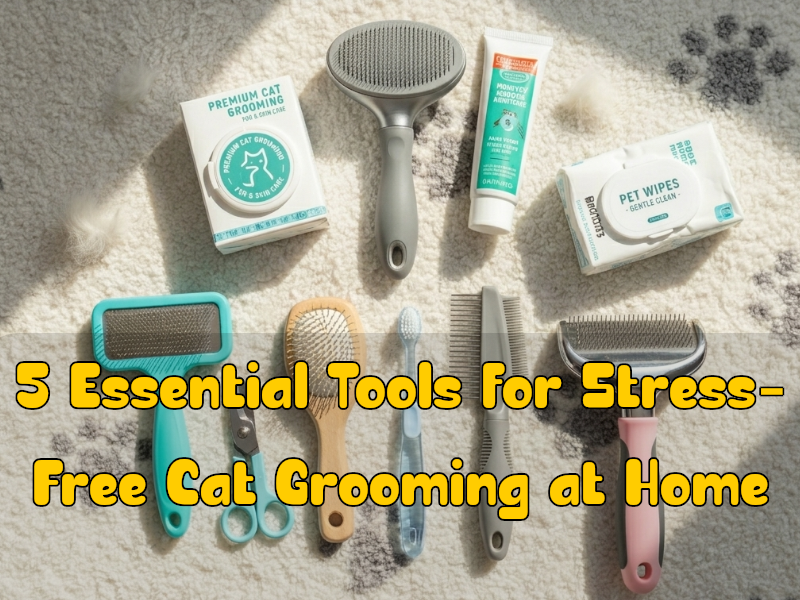
5 Essential Tools for Stress-Free Cat Grooming at Home
Have you ever felt like grooming your cat turns into a losing battle? You’re not alone. Many cat owners struggle with brushing, cleaning, or even getting close to their cat without resistance.
The truth is, stress-free grooming isn’t about forcing your cat—it’s about using the right tools that work with their natural instincts. In this guide, you’ll discover the 5 essential tools for stress-free cat grooming at home and how to use them the right way.
1. Slicker Brush (Mimics Natural Grooming)
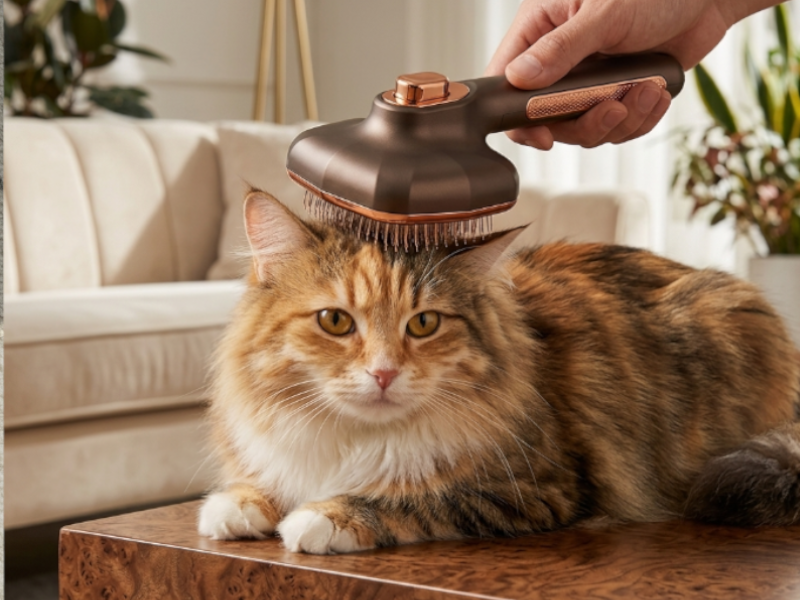
A high-quality slicker brush closely mimics the sensation of a cat’s natural grooming behavior, similar to how a mother cat cleans her kittens.
Why it works
- Reaches the undercoat (the dense layer beneath the fur) where loose hair builds up
- Helps reduce dander (tiny skin flakes that can cause irritation and allergies)
- Prevents painful matting before it starts
Pro Tip
Choose a brush with fine, bent bristles and protective tips to avoid irritating your cat’s sensitive skin.
If your cat has sensitive skin, choosing the right products is just as important: Best Cat Shampoo for Sensitive Skin
2. Grooming Gloves (Low-Stress Alternative)
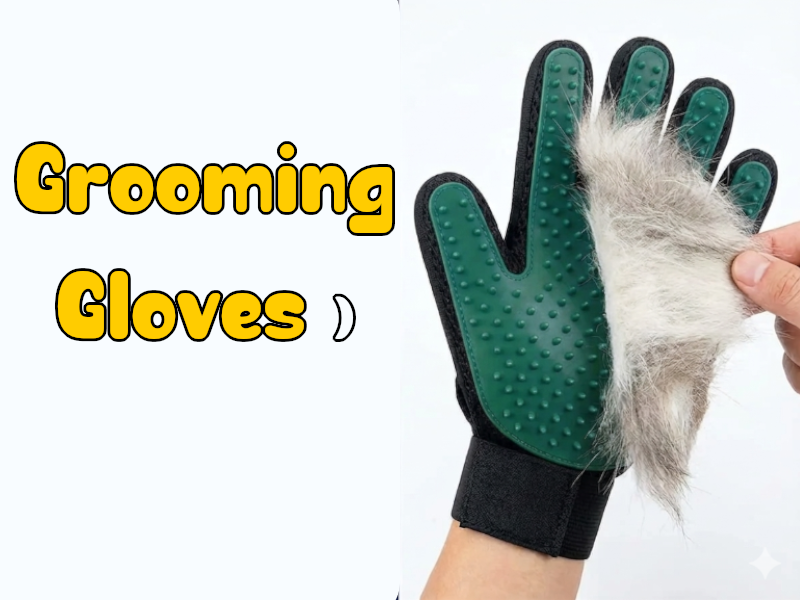
If your cat hates brushes, grooming gloves can be a game-changer. They allow you to groom your cat while simply petting them.
Why it works
- Feels like natural touch instead of a tool
- Removes loose fur from the surface and light undercoat
- Perfect for nervous or sensitive cats
This is one of the easiest ways to introduce grooming without triggering fear or resistance.
3. High-Value Liquid Treats (Behavioral Trick)
Sometimes, the best grooming tool isn’t a tool—it’s a strategy.
How it works
- Distracts your cat during grooming
- Creates a positive association
- Reduces stress and resistance
How to use it
Offer a lickable treat while brushing or cleaning. Over time, your cat will associate grooming with something rewarding.
Combine this technique with: How to Get Your Cat to Love Bathing
4. Microfiber Towels (Fast & Gentle Drying)
Drying your cat properly is often overlooked, but it plays a major role in reducing stress.
- Absorbs water quickly
- Reduces drying time significantly
- Keeps your cat warm and comfortable
Cats lose body heat quickly when wet, so faster drying helps prevent anxiety and discomfort.
For a complete safe bathing process: How to Bathe a Cat Without Getting Scratched
5. Pheromone Calming Spray
Some cats need more than physical tools—they need emotional reassurance.
Why it works
- Mimics natural calming pheromones
- Creates a sense of safety
- Reduces stress and defensive behavior
How to use it
Spray your grooming area or tools 10–15 minutes before starting the session.
Pro Tips for a Stress-Free Grooming Routine
- Keep sessions short and positive
- Always reward your cat afterward
- Never force grooming—this creates long-term fear
- Follow a consistent routine
FAQ: Cat Grooming Tools
Can I use a human brush on my cat?
No. Human brushes are not designed for feline fur and may irritate the skin or fail to remove the undercoat properly.
How often should I groom my cat?
Short-haired cats: 1–2 times per week. Long-haired cats: more frequent grooming is recommended.
What should I do if my cat becomes aggressive during grooming?
Stop immediately and try again later using treats and shorter sessions.
Trusted Veterinary Insight
According to American Veterinary Medical Association (AVMA) , regular grooming helps reduce skin issues and improves overall feline health.
Stress-free cat grooming isn’t about force—it’s about understanding your cat and using the right tools. When you combine the right equipment with proper techniques, grooming becomes easier, safer, and even enjoyable for both of you.