How to Groom an Anxious Cat: Desensitization Techniques That Actually Work
SJ Sarah Johnson · Cat Behavior Advocate · 15+ years experience
Disclaimer: This article is for informational purposes only and does not replace professional veterinary advice. If your cat shows signs of distress, illness, or unusual behavior, contact your veterinarian immediately.
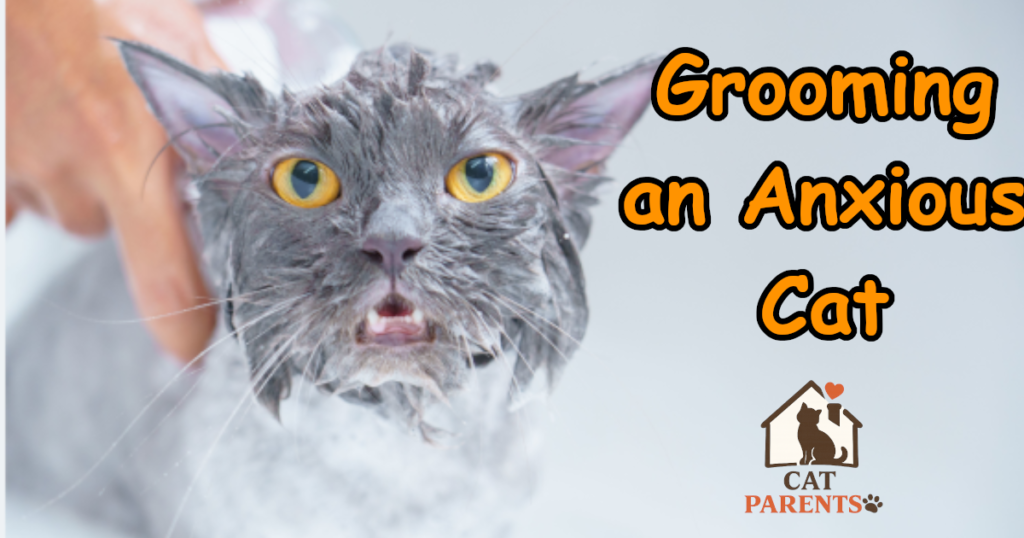
If you’re trying to figure out how to desensitize a cat to grooming, you’re not alone — and it’s more achievable than it feels right now.
You pick up the brush. Your cat sees it and bolts. You have tried everything: soft voices, slow movements, the most expensive “gentle” brush on the market. But every grooming session ends the same way — hissing, swatting, and a cat who disappears under the bed for hours.
I have been there. My cat Luna used to panic so badly at the sight of a comb that she would hide before I even entered the room. It felt personal, like she was rejecting me. But over time, I learned the truth: she was not being difficult. She was genuinely terrified.
The good news? You can help your cat unlearn that fear. It takes patience, consistency, and a willingness to move at her pace. In this guide, I will walk you through the exact plan I have used to desensitize a cat to grooming — including my own. You will learn why some cats react so strongly, how to recognize the warning signs, and what to do at every stage of the process.
Quick Answer: Desensitizing a cat to grooming means starting with zero-pressure exposure to tools, pairing every interaction with high-value treats, and gradually increasing contact over several weeks. The goal is to shift your cat’s emotional response from fear to calm anticipation.
Key Takeaways:
- Plan for 4 to 8 weeks desensitization is a slow, steady process.
- Every grooming-related action should be paired with a high-value treat.
- Start with tools in the same room, then progress to brief touch, then to actual grooming.
- Never force or restrain your cat. That destroys trust and sets you back.
- If you hit a plateau or your cat regresses, consult a certified behaviorist.
In This Article:
- Why Some Cats Are More Anxious About Grooming Than Others
- Signs Your Cat Is Anxious During Grooming
- What Is Desensitization? (The Core Method)
- Step-by-Step Desensitization Plan (Week by Week)
- Counter-Conditioning: Making Grooming Mean “Good Things”
- When Bathing Is Involved
- What Not to Do
- When to Call a Professional Groomer or Behaviorist
- Frequently Asked Questions
- The Bottom Line
Why Some Cats Are More Anxious About Grooming Than Others

Not every cat panics at the sight of a brush. Some tolerate grooming without much fuss, while others seem to sense the grooming tools from across the house and go into hiding. If your cat falls into the second group, understanding why can help you tailor your approach.
Past Negative Experiences
This is the most common reason I see with anxious cats. One bad experience a nail clipped too short, a mat pulled too hard, water that was shockingly cold can create a lasting memory. Cats are wired to remember what hurts, and that memory does not fade quickly. If you adopted your cat as an adult, you may never know what she went through before she came to you. Assume she has some negative history and start with extra patience built in.
Lack of Early Handling as a Kitten
Kittens who are handled gently and frequently during their first couple of months tend to be more adaptable about grooming as adults. The critical window for socialization falls between 2 and 7 weeks of age. If your cat missed that window, she may simply never have learned that being touched in certain ways is safe. That does not mean she cannot learn now it just takes more time and consistency.
Sensory Sensitivity and Personality
Some cats are naturally more sensitive to sound, touch, or smell. The high-pitched whine of clippers, the chemical scent of shampoo, or the scratchy feel of a brush can be genuinely overwhelming for them. Personality also plays a role. A naturally cautious or reactive cat will respond more intensely to grooming than a laid-back one. Recognizing this takes the sting out of her reaction it is not about you, it is about how she is wired.
Signs Your Cat Is Anxious During Grooming
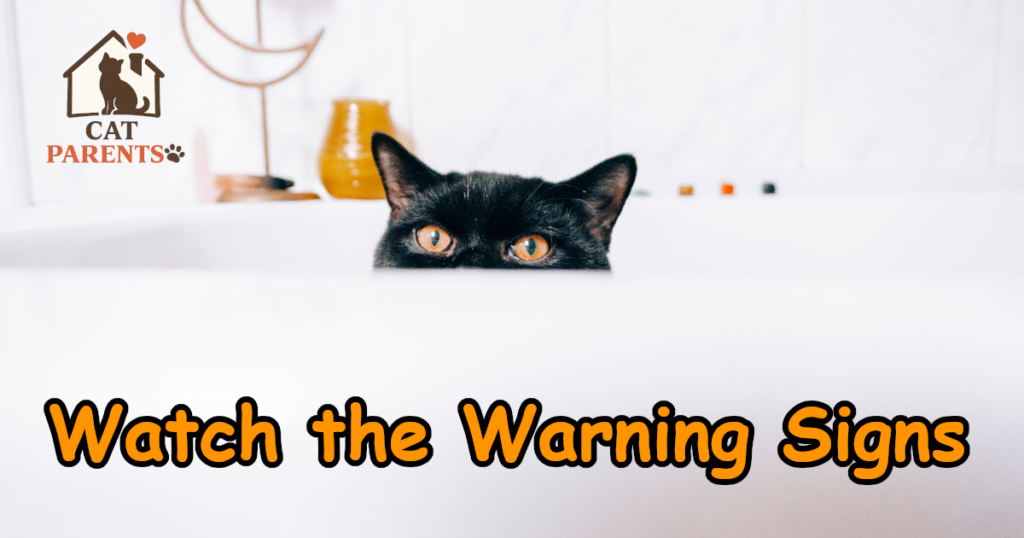
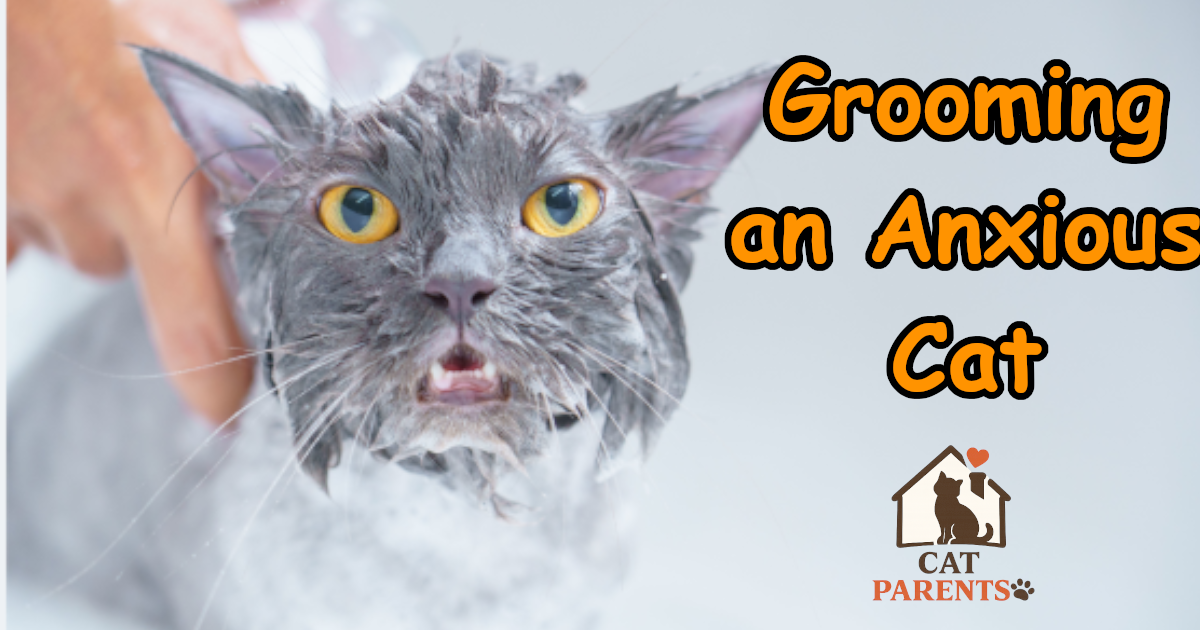
Before you can help your cat, you need to be able to spot the early signs of stress. Cats are masters at hiding discomfort, but they do give clues if you know what to look for. A twitching tail, flattened ears, or a sudden freeze can tell you she is reaching her limit long before she hisses or swats.
Common stress signals include tail twitching or thumping, skin rippling along the back, ears flattening or rotating sideways, dilated pupils, attempts to move away, low growling or hissing, and freezing in place. If you see any of these signs, stop. Pushing through is not bravery it is a fast track to losing your cat’s trust and making future sessions harder.
Want to recognize every stress signal? Read our detailed guide: 7 Signs Your Cat Is Stressed During Grooming (And When to Stop) it explains each signal in depth and tells you exactly when to stop.
What Is Desensitization? (The Core Method)
Desensitization is a gradual process of exposing your cat to something scary in small, manageable steps until it no longer triggers a fear response. The key is to keep each step below your cat’s fear threshold you never want to push her to panic.
Desensitization is most effective when paired with counter-conditioning, which means associating the scary thing with something your cat loves usually food. Over time, your cat starts to feel differently about grooming tools because she expects something good to follow.
Start with Zero Pressure Just Presence
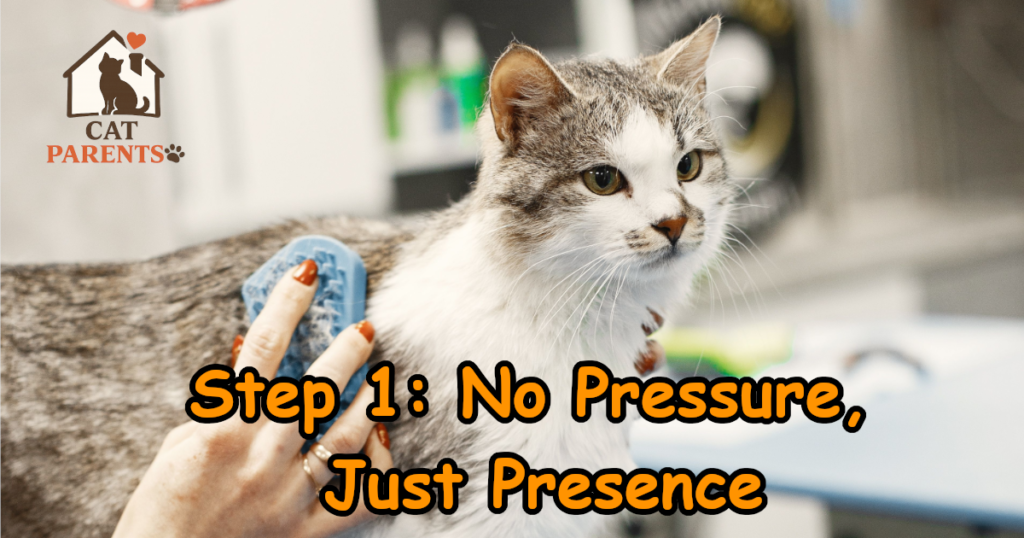
In the first stage, you do not groom your cat at all. You simply introduce the tools into her environment. Place the brush next to her food bowl. Leave the clippers on the floor where she can see them. Let her approach, sniff, and investigate without any interaction from you. Every time she looks at the tool, give her a treat. This builds a positive association before any actual grooming happens.
Short Sessions, Big Rewards
When you do begin grooming, keep each session incredibly brief. One brush stroke is enough. Then give a treat and end the session. The goal is not to get your cat thoroughly groomed the goal is to change how she feels about the process. As she becomes more comfortable, you can gradually increase the number of strokes. But always end before she shows signs of stress.
Gradual Exposure to Tools (Brush, Clippers, Water)
Treat each grooming tool as its own desensitization project. Your cat may be fine with a brush but terrified of clippers. Handle each one separately. For clippers, start by turning them on in another room, then gradually bring them closer over several days. Eventually, run them near your cat without touching her, then progress to a single nail. For water, desensitize to the sound of running water first, then to a damp cloth, then to a shallow tray. A full bath should be the last step, not the first.
Step-by-Step Desensitization Plan (Week by Week)
This timeline is a realistic guide. Your cat may move faster or slower, and that is okay. Adjust to her pace.
Week 1-2: Tool Familiarization
Goal: Your cat is comfortable with grooming tools in her environment.
Action: Place the brush, comb, and clippers (turned off) near her food bowl or sleeping area. Every time she sniffs or looks at them, give a treat. No touch. No grooming.
By the end of week two, your cat should ignore the tools or show mild curiosity. If she still avoids them, stay at this stage longer. Rushing forward will only create setbacks.
Week 3-4: Brief Touch Sessions
Goal: Your cat tolerates brief contact with grooming tools.
Action: Pick up the brush. Let your cat sniff it. Give a treat. Then gently rest the brush on her back for one second, remove it, and give another treat. That is the entire session. Repeat daily.
If your cat seems stressed, dial it back to zero touch and spend more time on tool familiarization. If she seems relaxed, gradually increase the touch duration to two seconds, then three.
Week 5+: Full Grooming Sessions
Goal: Your cat tolerates a full, calm grooming session.
Action: By week five, you should be able to brush for several minutes without stress. From there, you can move on to nail trims and eventually bathing, if needed.
Progress is rarely linear. Expect some backward steps that is normal. When you hit one, simply go back to the previous stage and rebuild.
Counter-Conditioning: Making Grooming Mean “Good Things”

Desensitization reduces fear. Counter-conditioning replaces fear with positive feelings. They are most effective when used together.
Treats and Positive Associations
Use high-value treats that your cat only gets during grooming prep think freeze-dried chicken, tuna flakes, or liquid treats. The treat needs to be special enough that she starts looking forward to the session. Give treats before, during, and after each session. The more you pair grooming with food, the faster her emotional response shifts.
Calming Aids (Feliway, Pheromone Sprays)
Products like Feliway mimic the natural calming pheromones cats produce. Spray them on the grooming area 15-20 minutes before you start. Some cats also respond well to calming treats containing L-theanine or casein. Test these on a normal day first, not on a grooming day, to see how your cat reacts. Just remember: calming aids support the process, but they are not a substitute for desensitization.
According to the American Veterinary Medical Association, pheromone therapy can help reduce stress-related behaviors in cats.
When Bathing Is Involved
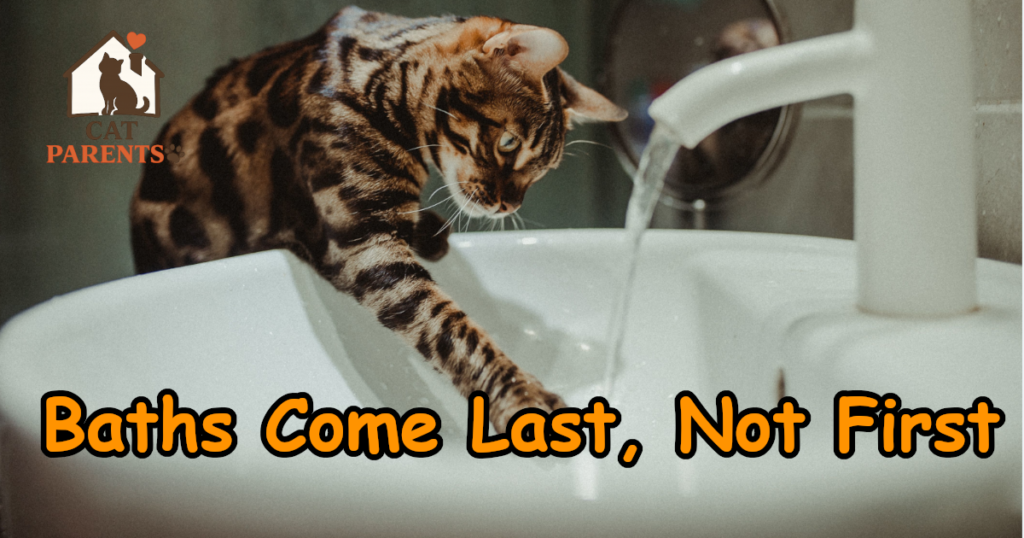
Most cats never need a full water bath. If your cat is already anxious about grooming, I strongly recommend avoiding water baths unless they are medically necessary. Use waterless alternatives like grooming wipes or foam shampoo instead.
If a water bath is absolutely unavoidable, apply the same desensitization process but stretch it out. Start with the sound of running water, then a damp cloth, then a shallow tray, and only attempt a full bath once your cat is comfortable with each previous step.
Related reading:
Why Does My Cat Hide After a Bath? Feline Psychology Explained
Why Are Cats Clingy After a Bath? The Real Reasons Explained
What Not to Do
Forcing or Restraining Excessively
Never force your cat to be groomed. Restraint amplifies fear and erodes trust. If your cat is panicking, stop. You are not failing you are learning her limits. Some cats tolerate being wrapped in a towel (the “purrito”) for brief nail trims, but that is a last resort, not a regular approach.
Skipping Straight to Full Grooming
I understand the urge to just get it over with. But skipping the desensitization steps almost always backfires. Your cat gets overwhelmed, you get scratched, and future sessions become even harder. Trust the process. With desensitization, slow is fast.
When to Call a Professional Groomer or Behaviorist
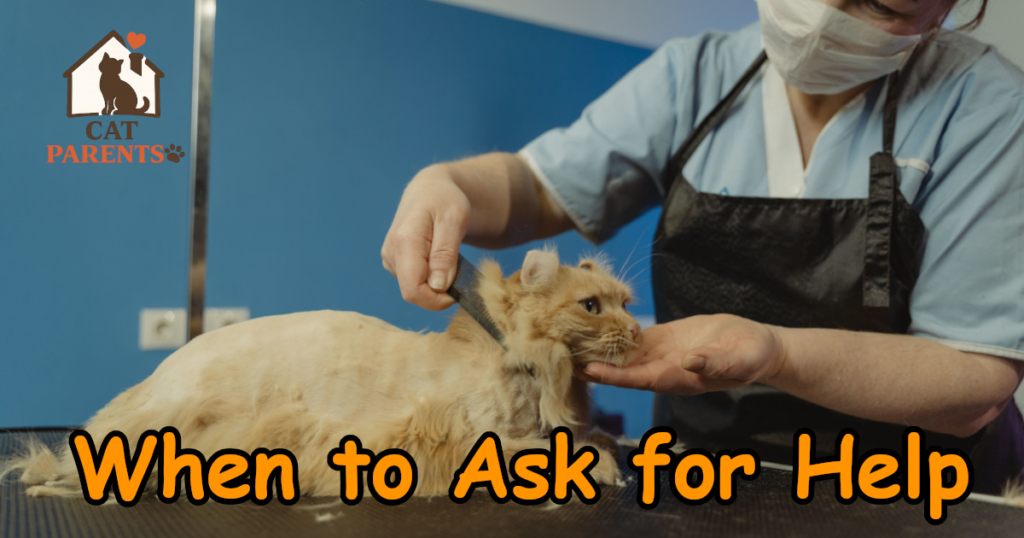
Some cats are simply too anxious for home desensitization, and that is okay. It is not a failure it is knowing when to ask for help.
Consider professional support if your cat becomes aggressive (biting, severe scratching) during grooming attempts, if you have been consistent with desensitization for 2-3 months without improvement, if your cat has severe mats that need professional shaving, if she shows extreme panic like shaking, panting, or losing bladder control, or if you feel unsafe trying to groom her yourself.
Certified feline behaviorists can design custom plans. Professional groomers have experience handling anxious cats safely. Veterinary clinics can offer sedated grooming for extreme cases. Paying a professional is not giving up it is choosing your cat’s mental health over your pride.
Frequently Asked Questions
How long does it take to desensitize a cat to grooming?
Most cats take 4 to 8 weeks, depending on their personality and history. Some move faster, some slower. Consistency matters more than speed.
What if my cat is too anxious to even be near grooming tools?
Start with the tools in the same room, not touching her. Let her investigate at her own pace. Pair the sight of the tools with treats. If she remains terrified, consult a veterinary behaviorist.
Can I use calming aids to help desensitize my cat?
Yes. Pheromone sprays like Feliway, calming treats with L-theanine, or certain herbal supplements can help. Always check with your vet before giving any supplement.
Is it better to desensitize my cat myself or use a professional groomer?
For mild anxiety, home desensitization works well. For severe fear or aggression, a professional groomer or veterinary behaviorist is the safer choice. They have the tools and experience to handle anxious cats.
What if my cat is okay with brushing but hates nail trims?
Treat nail trims as a separate process. Start by touching her paws during normal petting sessions with treats. Gradually introduce the clippers without clipping, then progress to one nail at a time. This may take several weeks.
The Bottom Line
Grooming an anxious cat is not about force. It is about trust. The process of desensitizing a cat to grooming takes time, patience, and consistency but it genuinely works.
Start with tool familiarization. Pair every step with high-value treats. Progress slowly. If you get stuck, step back. If you need help, reach out to a professional.
Your cat may never love grooming, but she can learn to tolerate it calmly. That calm tolerance is the foundation of a stronger, more trusting relationship. Pick one step from this article and start this week. No grooming yet just presence and treats. Watch how your cat responds, and let her pace guide you.
Related reading from CatParentsGuide:
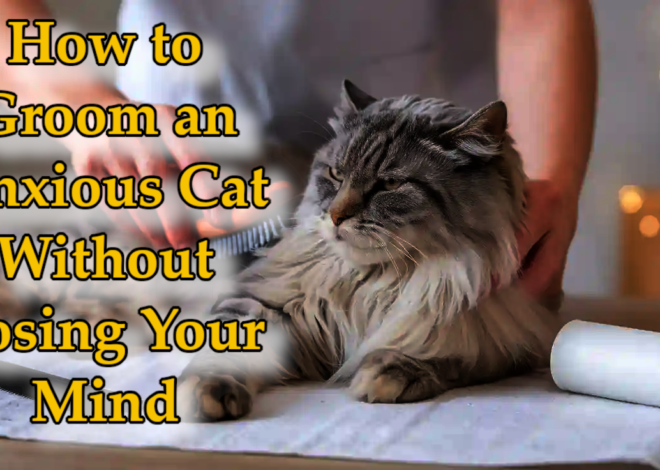
7 Signs Your Cat Is Stressed During Grooming (And When to Stop)
How to Keep Your Cat Calm During Grooming (12 Proven Methods)
Why Does My Cat Hide After a Bath?
Why Are Cats Clingy After a Bath?
Cat Age Calculator: Convert Cat Years to Human Years
About the author: Sarah Johnson is a cat behavior advocate with over 15 years of hands-on experience helping cat owners understand and support their cats through behavioral challenges. She has worked with rescue organizations and certified feline behaviorists to develop practical, humane solutions. She is not a veterinarian. This article is for informational purposes and does not replace professional veterinary or behavioral advice.