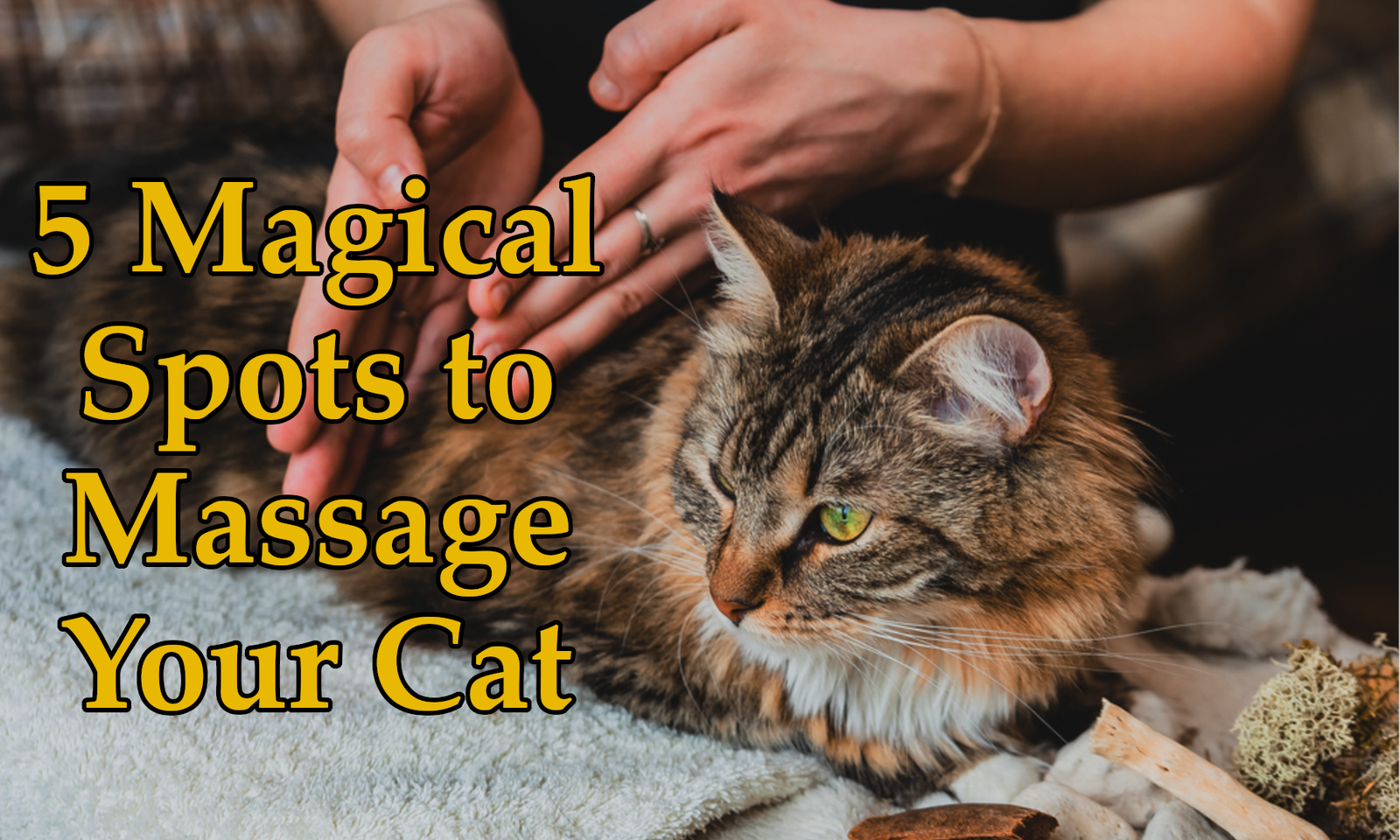
5 Magical Spots to Massage Your Cat – The Secret to Unlocking Her Love
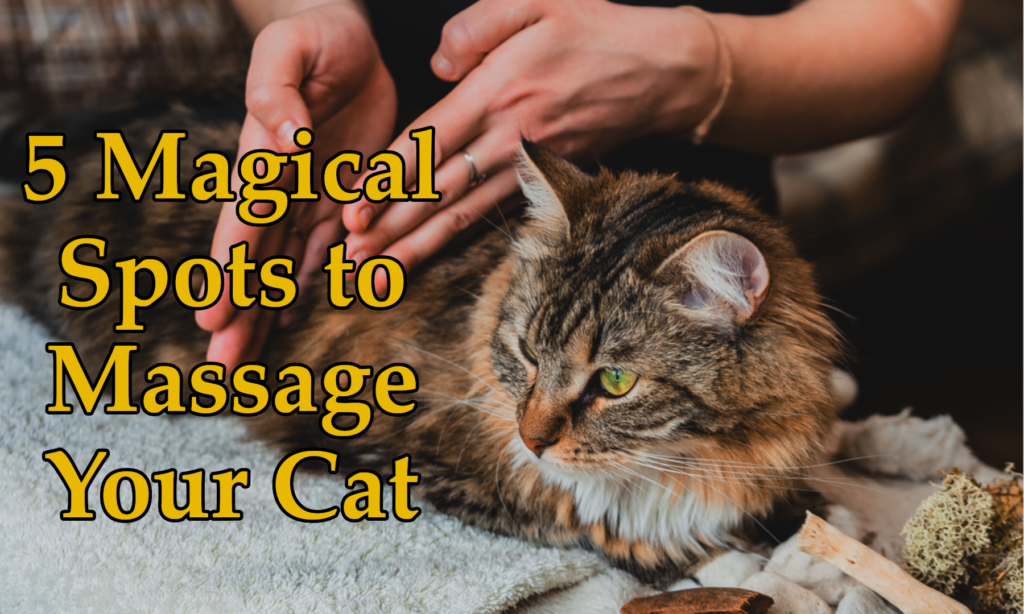
Imagine petting your cat, and she closes her eyes, starts purring, and pushes her head into your hand asking for more. Imagine being the person she looks for when she wants comfort.
Your cat may love you deeply, but she may not show it in the same way you expect. Sometimes, knowing where to massage a cat can make all the difference.
In this article, you will discover five of the best cat massage spots, how to massage each area gently, and the body language that tells you whether your cat wants you to keep going.
Quick Answer: The best places to massage a cat are the top of the head, between the ears, under the chin, the cheeks, behind the ears, and along the sides of the face. Some cats also enjoy gentle massage along the lower back, but this area is more individual. Always use light pressure and follow your cat’s body language.
Where Do Cats Like to Be Massaged?
Most cats prefer gentle massage around the head and face. The best cat massage points include the top of the head, between the ears, under the chin, the cheeks, behind the ears, and the sides of the face.
If you are wondering where to massage a cat, start with the head and cheeks rather than sensitive areas such as the belly or tail. Use your fingertips, apply very light pressure, and let your cat decide whether she wants more.
Some cats enjoy having their lower back gently massaged as well, while others dislike it. There is no single massage spot that every cat will love, so your cat’s reaction is always the best guide.
Why Cat Massage Matters for Bonding and Relaxation
Cats communicate through touch. Mother cats groom their kittens to provide comfort and security, and gentle human touch can become another positive part of a cat’s daily routine.
When you learn how to massage your cat in areas she enjoys, you can turn a simple petting session into a relaxing bonding activity.
Not every cat enjoys the same type of touch. Learning where cats like to be touched and respecting their boundaries is more important than trying to massage every part of their body.
If your cat shows signs of stress during grooming, you may want to read about 7 signs your cat is stressed during grooming to better understand her body language.
Spot One: Between the Ears and Top of the Head – The Instant Happiness Button
Have you noticed that your cat pushes her head into your hand when you pet her? This can be a strong sign that she enjoys the interaction and wants more contact.
The area between your cat’s ears and the top of her head is one of the easiest places to start a gentle massage. Many cats enjoy having this area stroked because it is familiar and easy for them to reach with your hand.
How to massage it: Gently place your fingertips between your cat’s ears and move them in small, slow circles. Keep the pressure light and let your cat move her head toward your hand.
If she closes her eyes, purrs, relaxes her face, or pushes her head into your fingers, she may be enjoying it. If she pulls away, stop and give her space.
Spot Two: Under the Chin and Cheeks – The Gateway of Hidden Love
The chin and cheek areas are favorite petting spots for many cats. Cats also have scent glands around parts of their face, which is one reason they frequently rub their cheeks and chin against people and objects.
Learning where cats like to be touched can help you understand why these areas are often so rewarding for them.
How to massage it: Offer your fingers and let your cat position her head naturally. Then gently massage under the chin with small circular movements. You can also slowly stroke along the cheeks.
Never force your cat’s head upward. Let her control the position and pressure by moving toward your hand.
Spot Three: The Base of the Ears from Behind – The Hidden Secret
The area behind the ears is another spot that many cats enjoy. It is close to the face and neck, making it a natural extension of the gentle scratching and petting cats often seek.
This can also be a useful cat relaxation technique when your cat is already calm and comfortable.
How to massage it: Use your thumb and index finger to gently touch the area behind one ear. Move your fingertips in slow, soft circles. Do not press hard or pull on the ear.
If your cat tilts her head toward your hand or stays relaxed, you can continue. If she pulls away or flattens her ears, stop immediately.
For more tips on keeping your cat calm, read how to keep your cat calm during grooming.
Spot Four: The Sides of the Face from Cheeks to Ears – The Queen’s Massage
The sides of the face are another excellent place to try if you are learning where to massage a cat.
This area includes the cheeks and the space below and around the ears. Many cats naturally rub their faces against hands, furniture, and other familiar objects.
How to massage it: Start near the cheek and use your fingertips or the palm of your hand to make slow, gentle strokes toward the chin. Keep your movements relaxed rather than pressing deeply.
You may notice your cat rubbing her face against your hand or turning her head to position herself exactly where she wants to be touched. Let her guide the massage.
If your cat hides after stressful events, you may also want to understand why cats hide after a bath to better understand her behavior.
Spot Five: The Lower Back Before the Tail – The Sensitive Spot
The lower back just before the tail is different from the other massage spots on this list. Some cats enjoy gentle attention there, while others become irritated or overstimulated very quickly.
Because this area can be particularly sensitive, it should never be treated as a guaranteed favorite.
How to massage it: If your cat already enjoys being touched there, use your fingertips and make very gentle movements along the lower back. Avoid pressing directly on the spine or tail.
Watch her reaction carefully. If she relaxes and leans into your hand, you can continue briefly. If she becomes tense, twitches her tail, flattens her ears, turns to bite, or walks away, stop immediately.
This is one area where your individual cat’s preference matters more than any general rule about cat massage spots.
Cat Body Language During Massage: How to Know If Your Cat Is Enjoying It
Your cat will tell you whether she is enjoying the massage. Learning cat body language is one of the most important skills you can develop before making massage part of your routine.
| Sign | What It May Mean | What to Do |
|---|---|---|
| Purring | Relaxation or contentment | Continue gently if the rest of her body is relaxed |
| Slow blinking | Comfort and relaxation | Keep your movements slow |
| Kneading | Relaxation or contentment | Continue if she remains comfortable |
| Head pushing into your hand | Seeking more contact | Let her guide your hand |
| Tail twitching | Possible overstimulation | Slow down or stop |
| Flattened ears | Annoyance, fear, or stress | Stop immediately |
| Hissing or swatting | Clear warning to stop | Give your cat space |
Remember that no single behavior, including purring, proves that a cat wants more massage. Look at her entire body and give her the freedom to walk away.
If your cat walks away, do not chase her. Let her come back when she is ready. Forcing massage can create negative associations.
How Often Should You Massage Your Cat?
There is no single schedule that works for every cat. Some cats enjoy short massage sessions every day, while others prefer occasional attention.
Start with just a minute or two and see how your cat responds. If she remains relaxed and actively seeks more contact, you can gradually make the sessions longer. If she becomes restless or walks away, end the session.
Your cat’s personality, age, health, and tolerance for handling should all be considered. If your cat has a medical condition, painful joints, or recently had an injury or surgery, ask your veterinarian before using massage as part of her routine.
Common Cat Massage Mistakes to Avoid
- Do not press too hard. Use gentle pressure rather than deep massage.
- Do not force the belly. The belly is a vulnerable area for many cats. Only touch it if your cat clearly invites contact and remains relaxed.
- Do not wake your cat to massage her. Choose a time when she is naturally awake and relaxed.
- Do not massage for too long. Short sessions are usually better than prolonged handling.
- Do not ignore stress signals. If your cat becomes tense, flattens her ears, swishes her tail repeatedly, growls, hisses, or tries to leave, stop.
- Do not force your cat to stay. Let her decide when the session is over.
Learning how to calm a cat during grooming can also help you create a more relaxed environment for massage.
According to the ASPCA, gentle touch and massage can help reduce stress and strengthen the bond between cats and their owners.
Frequently Asked Questions About Cat Massage
Can I massage my cat if she has arthritis?
Massage may not be appropriate for every cat with arthritis or joint pain. Avoid pressing on painful areas and ask your veterinarian whether gentle massage is appropriate for your cat before trying it.
What if my cat bites me during massage?
Stop immediately and give your cat space. Do not punish her. A bite or sudden swat can mean she became overstimulated, uncomfortable, or simply wanted the interaction to end.
Can kittens be massaged?
Very gentle handling can be introduced to kittens, but sessions should be extremely short and calm. Avoid applying pressure and never force a kitten to remain still for a massage.
My cat drools when I massage her. Is that normal?
Some cats drool when they are relaxed or highly stimulated by pleasant petting. However, excessive or new drooling can also have medical causes. If drooling is frequent, sudden, or accompanied by other symptoms, contact your veterinarian.
Should I use oil or lotion to massage my cat?
No. Avoid using human lotions, essential oils, or other products on your cat unless your veterinarian has specifically recommended them. Cats may lick substances from their fur, and some ingredients can be harmful.
How do I know if my cat wants a massage?
Start by offering your hand and letting your cat approach. She may rub against you, push her head into your hand, sit beside you, or remain relaxed when you begin gently petting her. If she moves away, respect the signal and stop.
What are the best cat massage spots for anxious cats?
Start with the head, cheeks, chin, and areas behind the ears because they are easy to reach with very gentle touch. Keep sessions short and avoid sensitive areas until your cat is completely comfortable.
Can cat massage help with shedding?
Gentle petting and grooming can help loosen some loose fur and distribute natural oils across the coat. However, massage should not replace regular brushing when brushing is appropriate for your cat’s coat type.
Summary: Five Magical Cat Massage Spots
| Spot | Why Cats May Enjoy It |
|---|---|
| Between the ears and top of head | A familiar and easy-to-reach area for gentle touch |
| Under the chin and cheeks | Many cats naturally seek contact around these areas |
| Base of the ears from behind | Often enjoyable when touched gently |
| Sides of the face from cheeks to ears | Cats frequently rub these areas against people and objects |
| Lower back before the tail | A sensitive area that some cats enjoy and others dislike |
Now try one spot tonight. Start gently, watch your cat’s reaction, and let her decide whether she wants more.
Which cat massage spot does your cat love the most? Have you tried any of these techniques with her? Share your experience in the comments.
And if you know another cat lover who would enjoy discovering their cat’s favorite massage spot, share this article with them.
Learning these cat massage points takes patience, but the payoff — a calmer, more bonded cat — is worth every gentle stroke.
About the author: Sarah Johnson is a cat owner of two rescue cats, Luna and Simba, and has been studying feline behavior for over 6 years. She writes for CatParentsGuide to help cat owners build stronger bonds with their cats through practical advice.